Sustainable Arctic Tourism: How Small Ships Protect What We Love
The Arctic faces unprecedented environmental pressures as tourism to polar regions has increased 500% over the past fifteen years. Sustainable Arctic tourism offers a responsible alternative to mass-market cruising, prioritizing environmental protection, wildlife welfare, and authentic experiences over passenger volume. Small-ship expeditions carrying 12-50 travelers demonstrate that exploring Earth’s most fragile ecosystems can support conservation…
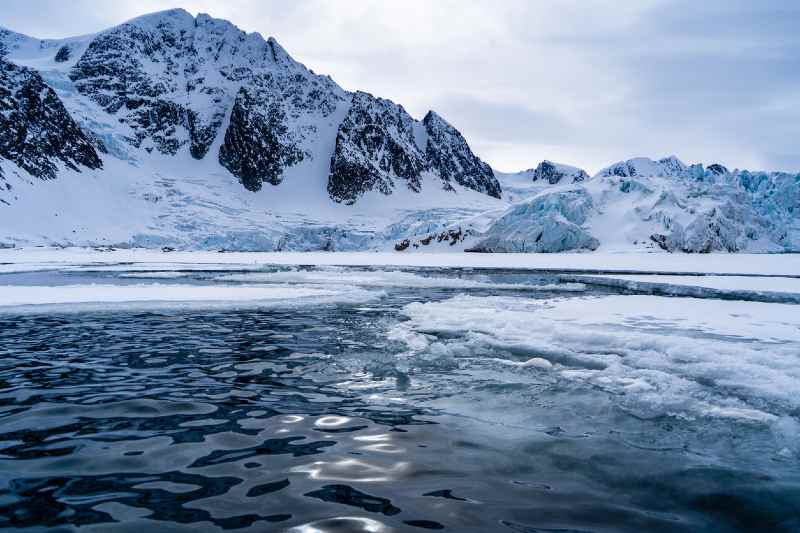
The Arctic faces unprecedented environmental pressures as tourism to polar regions has increased 500% over the past fifteen years. Sustainable Arctic tourism offers a responsible alternative to mass-market cruising, prioritizing environmental protection, wildlife welfare, and authentic experiences over passenger volume. Small-ship expeditions carrying 12-50 travelers demonstrate that exploring Earth’s most fragile ecosystems can support conservation rather than compromise it, creating meaningful connections between travelers and polar wilderness while minimizing ecological impact.
Why Sustainable Arctic Tourism Matters Now More Than Ever
Arctic ecosystems face rapid environmental change. Sea ice diminishes annually, polar bear populations decline in some regions, and indigenous communities navigate increasing development pressures. These challenges make responsible tourism practices essential rather than optional.
Large cruise ships carrying 500-2,000 passengers create significant environmental impacts. Heavy fuel oil use increases carbon emissions and pollution risks. Massive vessels disturb wildlife through noise and sheer scale. Shore excursions overwhelm small communities and fragile tundra.
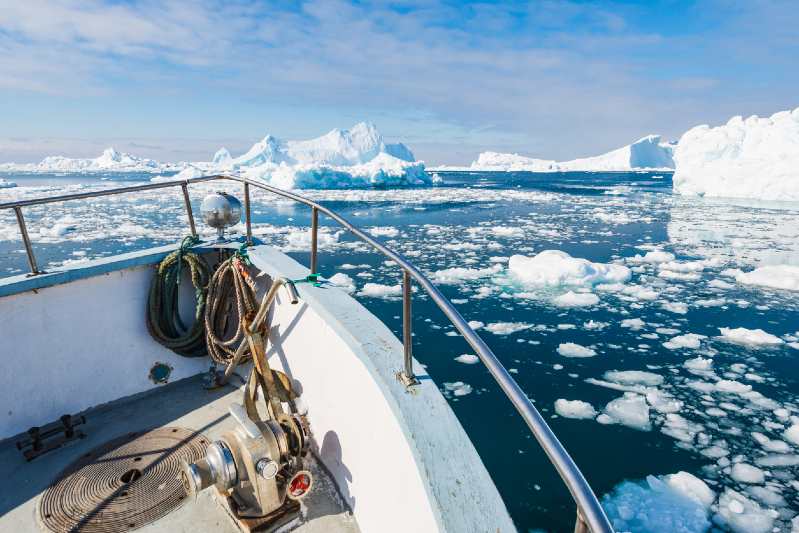
Sustainable Arctic tourism takes the opposite approach. Small expedition vessels minimize environmental footprint through reduced fuel consumption, waste management systems, and strict wildlife protocols. These operators view themselves as stewards protecting polar regions for future generations.
How Small Ships Enable Sustainable Practices
Vessel size fundamentally determines environmental impact. Small expedition ships carrying fewer than 100 passengers consume dramatically less fuel than mega-ships. Many now use cleaner marine fuels, reducing harmful emissions in pristine Arctic waters.
Smaller vessels navigate responsibly around wildlife. Captains maintain safe distances from polar bears, walruses, and seals, preventing behavioral disruption. Engines operate quietly, allowing animals to continue natural activities undisturbed. When wildlife appears stressed, small ships immediately increase distance or depart entirely.
Zodiac excursions from small ships follow strict protocols. Groups of 10-12 travelers explore with expert naturalist guides who enforce Leave No Trace principles. Everyone understands that nothing (no rocks, bones, or plants) leaves the Arctic. Waste returns to the vessel for proper disposal.
Environmental Standards That Protect Arctic Ecosystems
Leading sustainable Arctic tourism operators establish comprehensive guidelines that exceed regulatory requirements. These voluntary commitments cover wildlife approach distances, landing site selection, waste management, and community engagement protocols.
Responsible operators implement detailed environmental policies addressing fuel efficiency, ballast water management, and sewage treatment systems. Regular crew training ensures every team member understands conservation priorities and proper procedures for protecting fragile Arctic environments.
Arctic Wildlife Tours maintains rigorous environmental standards across all operations. Our naturalist guides receive annual training on wildlife behavior, conservation science, and ethical tourism practices. This expertise ensures every expedition protects the environments we explore while delivering exceptional educational experiences.
Supporting Conservation Through Responsible Tourism
Sustainable Arctic tourism creates economic incentives for conservation. When local communities benefit from responsible wildlife tourism, they become powerful advocates for habitat protection. Revenue from thoughtful expeditions supports research, monitoring, and conservation initiatives.
Small-ship operators often partner with scientific organizations. Citizen science programs let travelers contribute meaningful data on wildlife populations, ice conditions, and ecosystem changes. These partnerships advance understanding while deepening traveler appreciation for Arctic conservation challenges.
Photography-focused expeditions demonstrate conservation through documentation. Travelers capture powerful images showing climate change impacts, wildlife adaptations, and pristine landscapes worth protecting. These photographs educate broader audiences and build support for Arctic conservation.
Respecting Arctic Communities and Indigenous Cultures
Sustainable tourism respects people alongside ecosystems. Small expedition ships coordinate carefully with Arctic communities, scheduling visits that benefit rather than overwhelm local residents. Unlike massive cruise ships disgorging thousands into tiny villages, small groups enable authentic cultural exchanges.
Indigenous communities in Greenland, Nunavut, and Svalbard increasingly participate in tourism as guides, cultural interpreters, and business operators. Responsible expeditions prioritize these partnerships, ensuring tourism dollars support local economies and traditional knowledge preservation.
Experienced operators develop community-specific protocols to help visitors understand appropriate behavior in settlements. These guidelines cover photography etiquette, purchasing local crafts, and respecting private property, enabling meaningful connections while honoring Arctic residents’ privacy and dignity.
Choosing a Truly Sustainable Arctic Operator
Not all operators claiming sustainability credentials deliver genuine environmental responsibility. Discerning travelers should investigate specific practices rather than accepting marketing claims.
Ask operators about fuel types, waste management systems, and wildlife approach protocols. Request information about conservation partnerships and community engagement. Genuine sustainable operators provide detailed, transparent answers demonstrating measurable environmental commitments.
Look for operators with published environmental policies detailing specific targets and achievements. Membership in recognized polar tourism organizations and national sustainability certifications indicate serious environmental commitment. These verifications provide accountability beyond self-reported claims.
Review operator track records and guest testimonials focusing on environmental practices rather than just comfort and service. Responsible companies showcase their conservation work prominently, demonstrating that protecting Arctic wilderness matters as much as providing memorable experiences.
The Long-Term Vision for Arctic Tourism
Sustainable Arctic tourism requires thinking beyond individual trips toward long-term ecosystem health. Responsible operators limit visitor numbers to carrying capacity levels, even when demand exceeds supply. Protecting fragile environments takes precedence over profit maximization.
Climate change makes sustainable practices increasingly urgent. As ice-free periods lengthen and new areas become accessible, tourism pressure will intensify. Establishing strong sustainability standards now prevents irreversible damage as Arctic tourism continues growing.
The goal isn’t eliminating Arctic tourism but ensuring every visit contributes positively. Travelers who experience polar wilderness firsthand become passionate conservation advocates. When managed sustainably, tourism builds global support for protecting Arctic ecosystems against industrial development and climate change.
Frequently Asked Questions: Sustainable Arctic Tourism
How do small-ship Arctic expeditions reduce environmental impact compared to large cruise ships?
Small expedition vessels (12-100 passengers) consume significantly less fuel, produce less waste, and create minimal noise pollution compared to mega-ships carrying 500-2,000 passengers. They use cleaner marine fuels, maintain greater wildlife distances, and land smaller groups that don’t overwhelm fragile tundra. Waste management systems ensure nothing enters Arctic waters, and strict protocols prevent environmental damage during shore excursions.
What credentials should I look for when choosing a sustainable Arctic tour operator?
Look for operators with published environmental policies detailing specific conservation commitments, waste management systems, and wildlife protection protocols. Ask about fuel types, community partnerships, and scientific collaborations. Request transparent information about their sustainability practices rather than accepting vague marketing claims. Membership in recognized polar tourism organizations and environmental certifications from independent third parties indicate genuine commitment to responsible Arctic travel.
Can Arctic tourism actually support conservation efforts?
Yes, when conducted responsibly. Sustainable Arctic tourism creates economic incentives for habitat protection, funds research through citizen science partnerships, and builds passionate conservation advocates among travelers. Local communities benefiting from responsible tourism become powerful voices for environmental protection. Photography and education from expeditions raise global awareness about Arctic conservation needs, generating political and financial support for protection initiatives.
Ready to Experience Sustainable Arctic Tourism?
Arctic Wildlife Tours pioneered small-group, conservation-focused expeditions that protect the polar wilderness we love. Our environmentally certified voyages combine intimate wildlife encounters, expert naturalist guidance, and rigorous environmental standards that minimize impact while maximizing authentic Arctic experiences. Every expedition supports conservation research, respects indigenous communities, and demonstrates that responsible tourism safeguards fragile ecosystems for future generations. Contact us today to discuss upcoming sustainable Arctic departures and join travelers who believe protecting what we love matters as much as experiencing it. Your Arctic adventure can make a positive difference.
Related posts

Arctic Fox Photography: Tips for Capturing These Elusive Hunters
There is something unmistakably captivating about an Arctic fox moving across snow. Light on its feet, alert to every sound, its coat shifting with the…
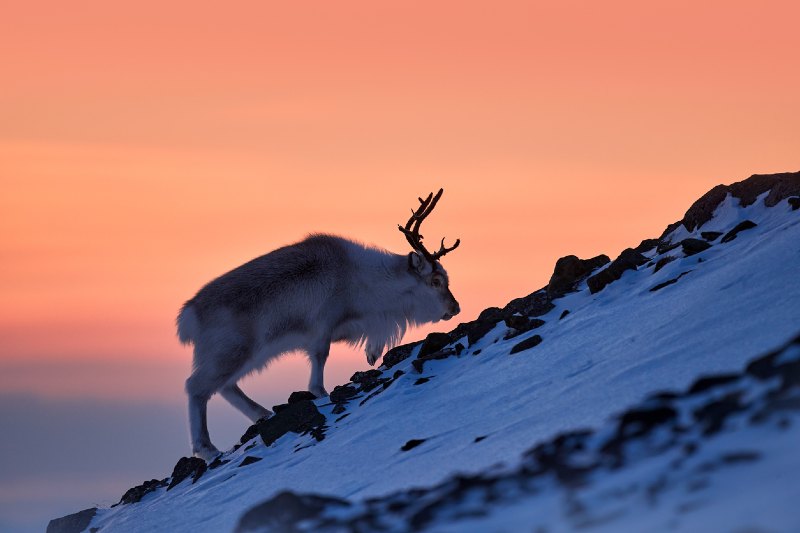
Svalbard Wildlife Tours in 2026: What’s New for Arctic Wildlife Watchers
Svalbard has always been a frontier destination. A place where sea ice shifts without warning, where glaciers carve deep blue edges into the horizon, and…
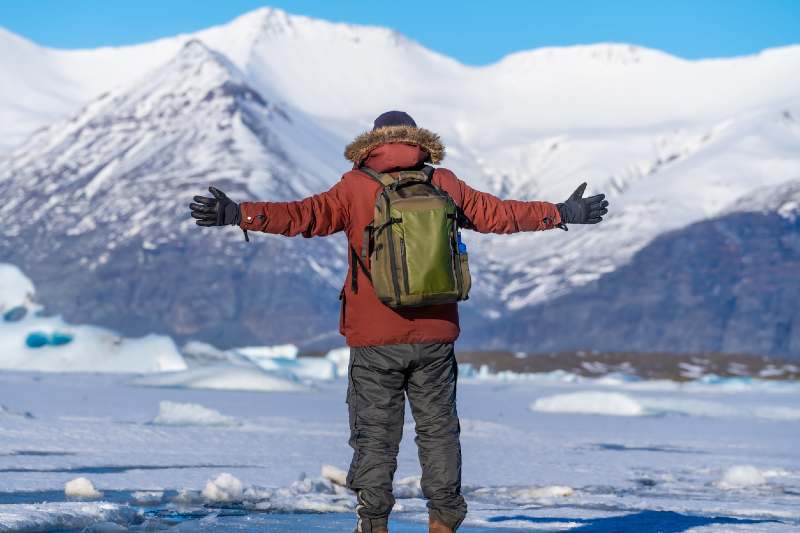
Arctic Expedition Packing Guide: What to Bring on Your Journey
Proper preparation makes the difference between struggling through Arctic conditions and fully embracing polar wilderness experiences. This Arctic expedition packing guide provides comprehensive advice for…
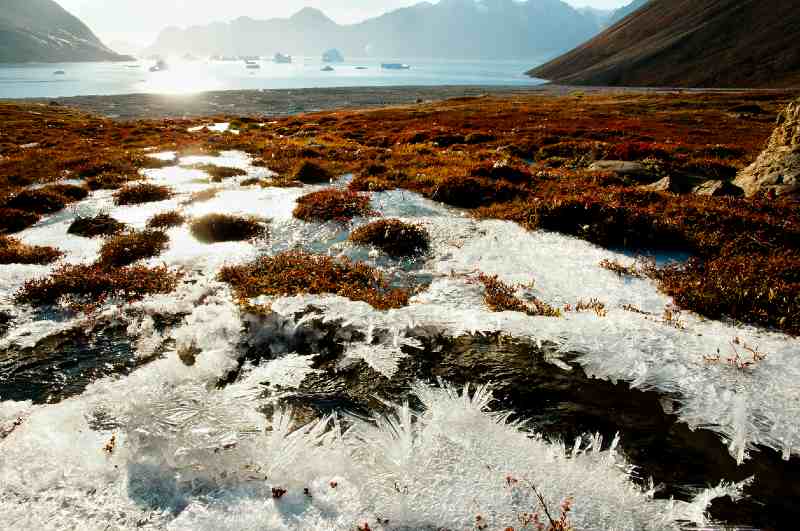
Best Time for Arctic Travel: A Seasonal Wildlife Guide
Choosing the best time for Arctic travel fundamentally shapes your wilderness experience, determining which wildlife you’ll encounter, what landscapes you’ll photograph, and which natural phenomena…
Sustainable Arctic Tourism: How Small Ships Protect What We Love
The Arctic faces unprecedented environmental pressures as tourism to polar regions has increased 500% over the past fifteen years. Sustainable Arctic tourism offers a responsible…
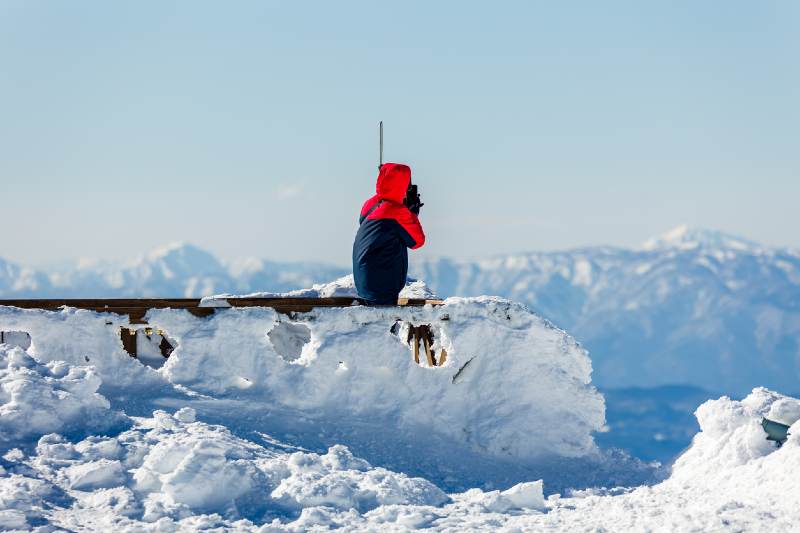
Arctic Photography Expeditions: Capture the Polar Wilderness
The Arctic holds some of Earth’s most extraordinary photography opportunities, from polar bears traversing endless ice sheets to the Aurora Borealis illuminating frozen fjords. Arctic…
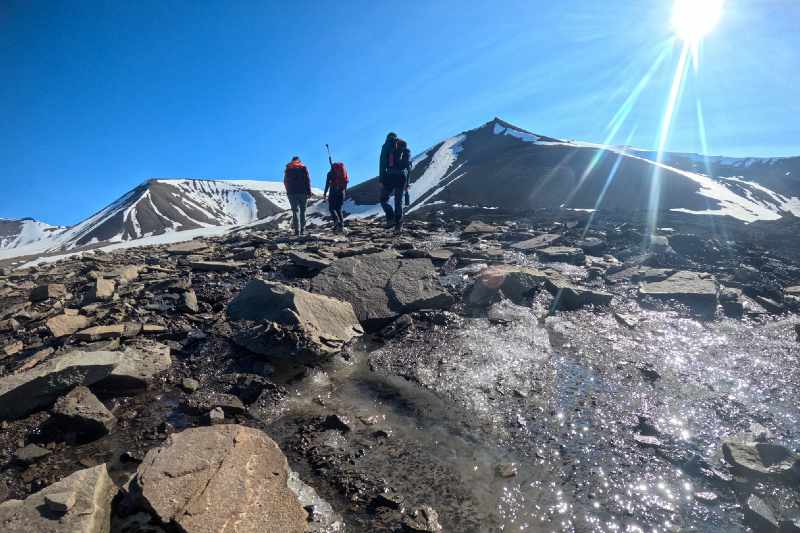
Small-Group Arctic Expeditions: Experience Nature Up Close
Standing on a small ship’s deck watching a polar bear traverse sea ice just meters away, surrounded by only a handful of fellow travelers, creates…
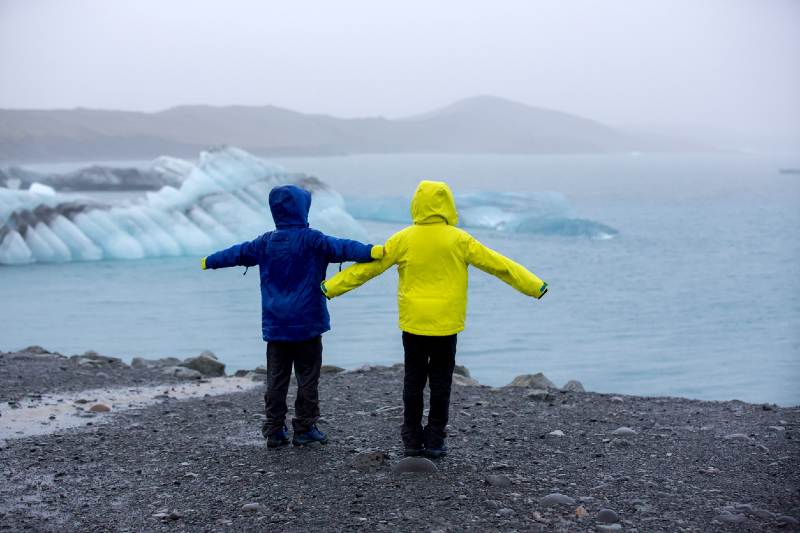
Creating Lasting Bonds: Why an Arctic Trip is the Ultimate Family Adventure (for All Ages)
Planning an arctic trip with your family might seem daunting at first – visions of icy landscapes and extreme cold can make parents hesitate. But…
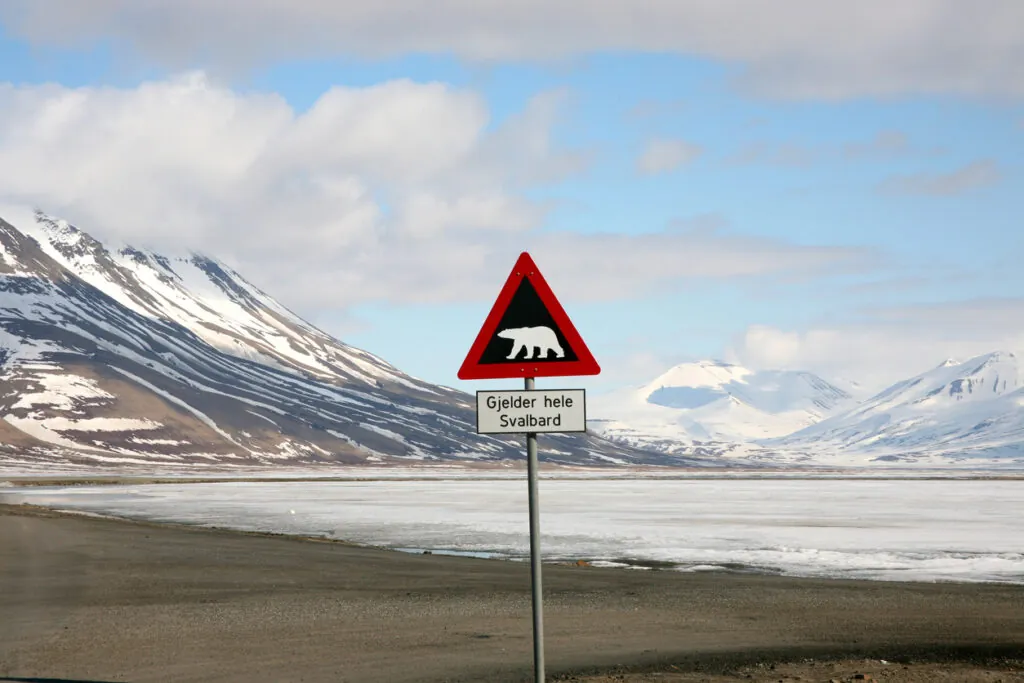
Wildlife Safety and Respect: Our Approach to Vulnerable Arctic Wildlife Encounters
Wildlife Safety and Respect: Our Approach to Vulnerable Arctic Wildlife Encounters Arctic travelers often take wildlife safety too lightly. Polar bears look majestic and make…
Top Arctic Islands You Can Visit on a Small-Ship Expedition
Top Arctic Islands You Can Visit on a Small-Ship Expedition The Arctic has some of Earth’s most beautiful and wild landscapes and small-ship expeditions offer…

The Photographer’s Arctic Dream: Your Guide to Capturing Nature’s Best Moments
The Photographer’s Arctic Dream: Your Guide to Capturing Nature’s Best Moments Is the photographer’s arctic all it promises to be? The Arctic offers photographers a…
What Makes Svalbard Different from Greenland and Iceland?
What Makes Svalbard Different from Greenland and Iceland? People often group Arctic destinations together. They think Iceland, Greenland, and Svalbard offer similar experiences. The truth…