Creating Lasting Bonds: Why an Arctic Trip is the Ultimate Family Adventure (for All Ages)
Planning an arctic trip with your family might seem daunting at first – visions of icy landscapes and extreme cold can make parents hesitate. But here’s the truth: an arctic expedition offers something truly magical that no theme park or beach resort can replicate. It’s a journey that transforms families, creating bonds that last a…
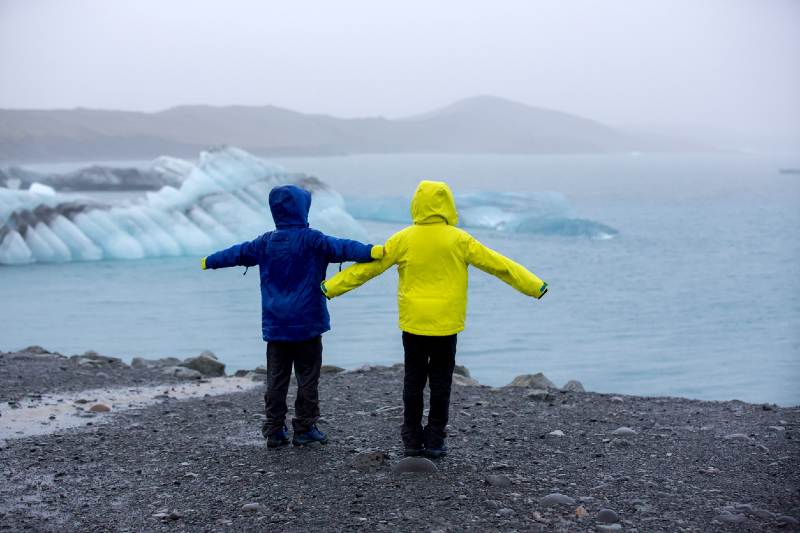
Planning an arctic trip with your family might seem daunting at first – visions of icy landscapes and extreme cold can make parents hesitate. But here’s the truth: an arctic expedition offers something truly magical that no theme park or beach resort can replicate. It’s a journey that transforms families, creating bonds that last a lifetime while exposing children and adults alike to one of Earth’s most pristine wildernesses. From grandparents to toddlers, the Arctic welcomes all ages with experiences that educate, inspire, and unite.
Why the Arctic is Perfect for Multi-Generational Travel
The beauty of Arctic family travel lies in its ability to captivate every generation simultaneously. While teenagers might be thrilled photographing polar bears, grandparents find peace in the midnight sun’s golden glow, and younger children marvel at playful Arctic foxes. Unlike traditional vacations where families split up by age and interest, Arctic expeditions naturally bring everyone together.
Key benefits for families:
- Shared wonder: Witnessing a polar bear in its natural habitat creates collective memories that bind families together
- Educational value: Children learn about climate change, ecosystems, and conservation in the most impactful classroom possible
- Digital detox: Limited connectivity means genuine family time without screens competing for attention
- Accessible adventure: Small-ship expeditions with expert guides make Arctic exploration safe and manageable for all fitness levels
What Makes an Arctic Trip Safe for All Ages?
Safety concerns are natural when considering an Arctic adventure with children or elderly family members. However, reputable Arctic Wildlife Tours prioritize safety while maintaining the sense of adventure that makes these journeys unforgettable.
Modern Arctic expeditions feature:
- Small group sizes (typically 12 passengers maximum) ensuring personalized attention
- Expert Arctic specialists who understand family dynamics
- Flexible itineraries that accommodate different energy levels
- Zodiac boats for easy wildlife viewing without strenuous hiking
- Temperature-controlled vessels with comfortable accommodations
Children as young as 8 and adults well into their 70s regularly enjoy Arctic expeditions. The key is choosing operators who specialize in small-group, family-friendly experiences rather than large cruise ships.
Activities That Engage Every Generation
Wildlife Encounters
Nothing unites a family quite like watching a walrus colony sunbathe on ice floes or witnessing the graceful arc of a humpback whale. These moments transcend age – a five-year-old’s excitement mirrors grandma’s wonder. According to the National Geographic Society, wildlife encounters in natural habitats create profound connections to conservation that last a lifetime.
Photography Adventures
The Arctic provides stunning subjects for budding photographers and seasoned pros alike. Teach your teenager about composition while capturing Arctic foxes, or let your youngest practice patience waiting for the perfect seal photo.
Cultural Experiences
Meeting local communities in Svalbard or Greenland offers invaluable lessons about resilience, adaptation, and respecting indigenous cultures. These interactions teach children perspectives no textbook can provide.
Midnight Sun Magic
Experiencing 24-hour daylight creates a surreal, almost dreamlike atmosphere. Late-night deck conversations under the midnight sun become treasured family moments you’ll reference for years.
Planning Your Family Arctic Adventure
When to Go:
- Summer (June-August): Warmest temperatures, abundant wildlife, midnight sun
- Spring (April-May): Polar bear season, fewer crowds, stunning ice formations
- Autumn (September): Northern lights, autumn colors, unique photographic opportunities
What to Pack:
- Layered clothing for all family members (thermals, fleece, waterproof outer layers)
- Binoculars for wildlife viewing
- Camera equipment appropriate for each age level
- Seasickness medication (even on calm Arctic waters)
- Reusable water bottles and eco-friendly toiletries
Choosing the Right Tour: Select operators like Arctic Wildlife Tours who specialize in small-group expeditions with conservation-minded approaches. Their expertise ensures both safety and meaningful wildlife encounters.
The Educational Impact: Lessons Beyond the Classroom
An Arctic trip serves as an unparalleled outdoor classroom. Children witness climate change’s effects firsthand—from receding glaciers to changing wildlife patterns. These visual lessons stick far longer than any documentary.
Parents report that Arctic experiences often spark:
- Increased environmental awareness and activism
- Improved patience and observation skills
- Greater appreciation for scientific research
- Enhanced understanding of global ecosystems
Why Arctic Memories Last Longer
Psychologists have long known that novel experiences create stronger memories than routine activities. The Arctic’s otherworldly landscapes—towering icebergs, vast tundra, crystalline waters—engage the brain differently than familiar environments. When families experience this novelty together, they create what researchers call “flashbulb memories”—vivid recollections that remain detailed for decades.
Your family will remember:
- The first polar bear sighting (including everyone’s exact reaction)
- The taste of hot chocolate on deck while surrounded by ice
- The silence of the Arctic wilderness
- Grandpa’s excitement spotting a bearded seal
- Your daughter’s first successful wildlife photograph
Frequently Asked Questions
Is the Arctic too cold for young children?
Not during summer months! Arctic temperatures in June-August typically range from 35-50°F (2-10°C)—chilly but manageable with proper layering. Modern expedition vessels are heated and comfortable, with families spending time outdoors by choice rather than necessity.
What’s the minimum age for Arctic expeditions?
Most operators welcome children 8 and older, though some family-focused tours accept younger children. The key factor isn’t age but rather the child’s ability to follow safety instructions and appreciate wildlife at a respectful distance.
How do I keep teenagers engaged during an Arctic trip?
Teenagers thrive in the Arctic! Photography opportunities, wildlife encounters, and the adventure aspect appeal strongly to this age group. Many teens report Arctic trips as “life-changing” experiences that influence career paths toward conservation, science, or photography.
Make Your Arctic Dream a Reality
An arctic trip isn’t just a vacation—it’s an investment in your family’s shared story. The connections forged while watching glaciers calve into turquoise waters or spotting Arctic foxes on tundra hillsides become the foundation of family identity. These experiences shape how your children see the world and their role in protecting it.
Ready to create unforgettable family memories in the High Arctic? Contact Arctic Wildlife Tours today to start planning your family’s expedition. Their expert team specializes in crafting multi-generational Arctic adventures that are safe, educational, and truly transformative. Don’t let another year pass—the Arctic is calling your family to discover its magic together.
Related posts
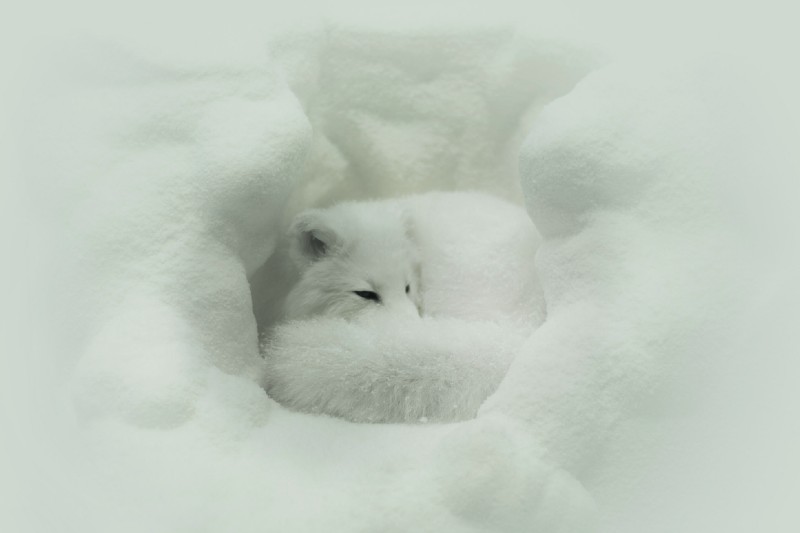
Arctic Fox Photography: Tips for Capturing These Elusive Hunters
There is something unmistakably captivating about an Arctic fox moving across snow. Light on its feet, alert to every sound, its coat shifting with the…
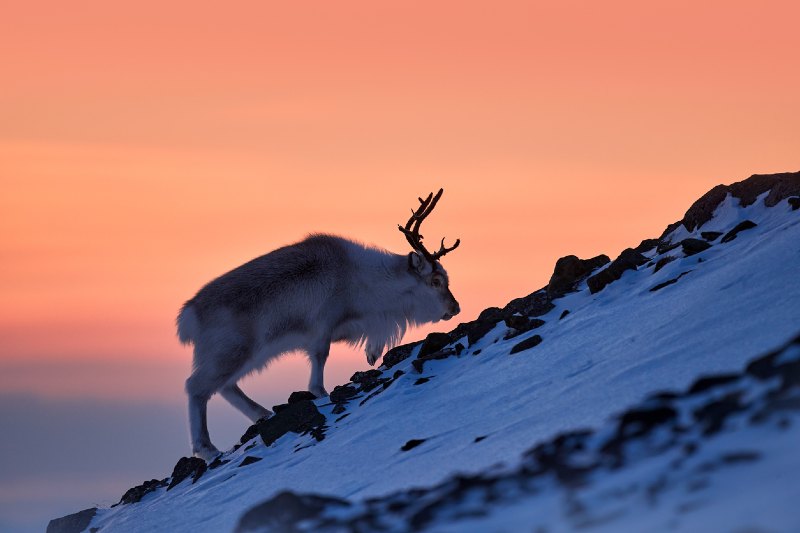
Svalbard Wildlife Tours in 2026: What’s New for Arctic Wildlife Watchers
Svalbard has always been a frontier destination. A place where sea ice shifts without warning, where glaciers carve deep blue edges into the horizon, and…
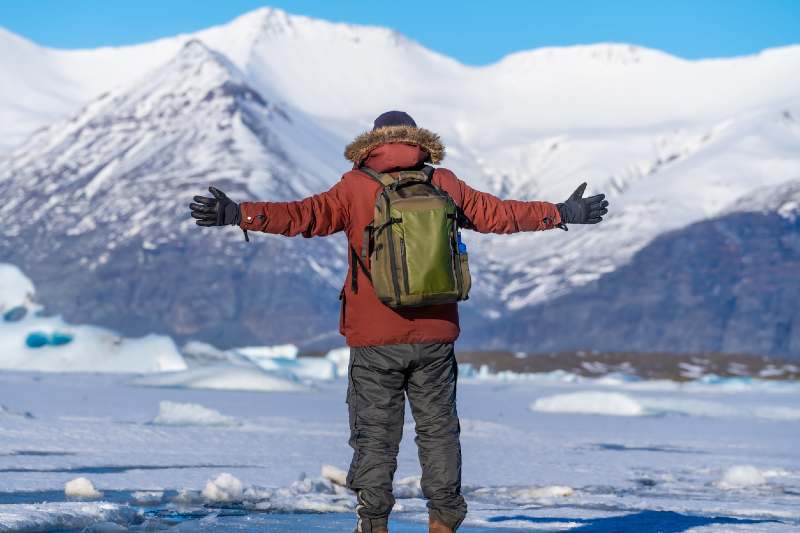
Arctic Expedition Packing Guide: What to Bring on Your Journey
Proper preparation makes the difference between struggling through Arctic conditions and fully embracing polar wilderness experiences. This Arctic expedition packing guide provides comprehensive advice for…
Best Time for Arctic Travel: A Seasonal Wildlife Guide
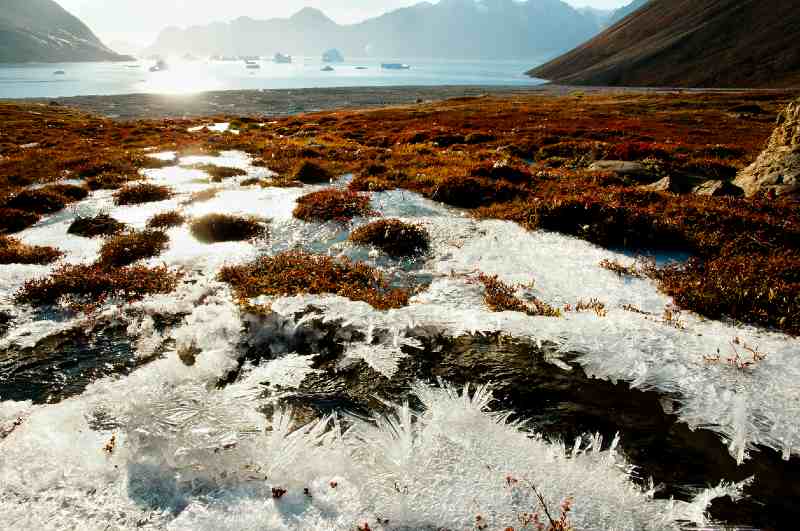
Choosing the best time for Arctic travel fundamentally shapes your wilderness experience, determining which wildlife you’ll encounter, what landscapes you’ll photograph, and which natural phenomena…
Sustainable Arctic Tourism: How Small Ships Protect What We Love
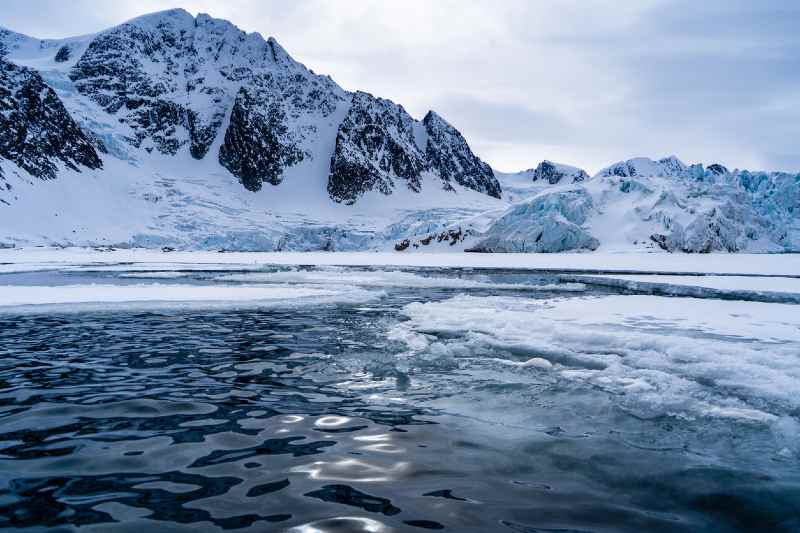
The Arctic faces unprecedented environmental pressures as tourism to polar regions has increased 500% over the past fifteen years. Sustainable Arctic tourism offers a responsible…
Arctic Photography Expeditions: Capture the Polar Wilderness
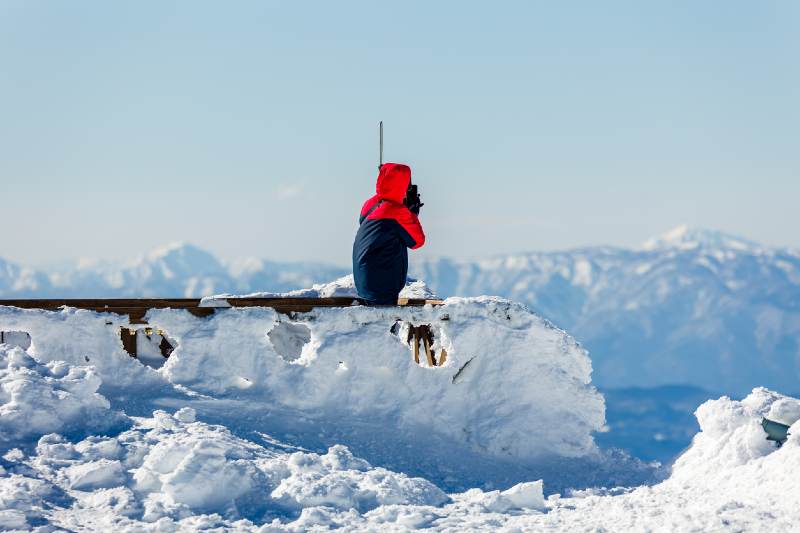
The Arctic holds some of Earth’s most extraordinary photography opportunities, from polar bears traversing endless ice sheets to the Aurora Borealis illuminating frozen fjords. Arctic…
Small-Group Arctic Expeditions: Experience Nature Up Close
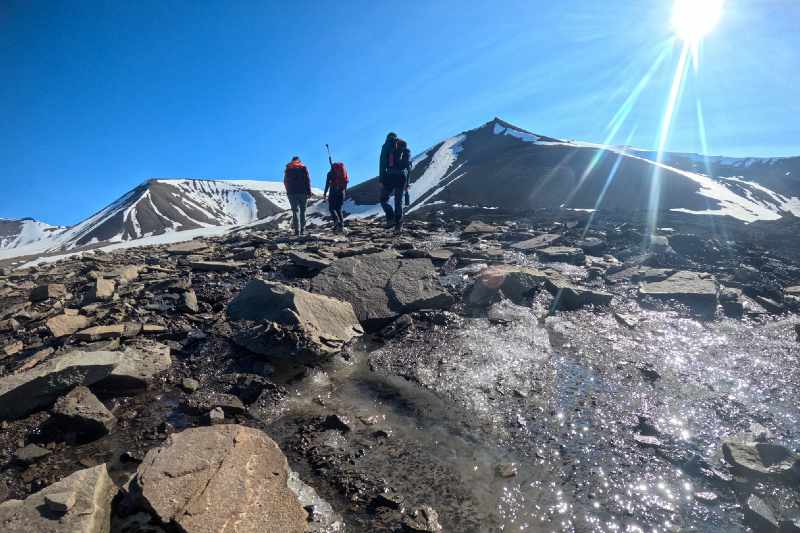
Standing on a small ship’s deck watching a polar bear traverse sea ice just meters away, surrounded by only a handful of fellow travelers, creates…
Creating Lasting Bonds: Why an Arctic Trip is the Ultimate Family Adventure (for All Ages)
Planning an arctic trip with your family might seem daunting at first – visions of icy landscapes and extreme cold can make parents hesitate. But…
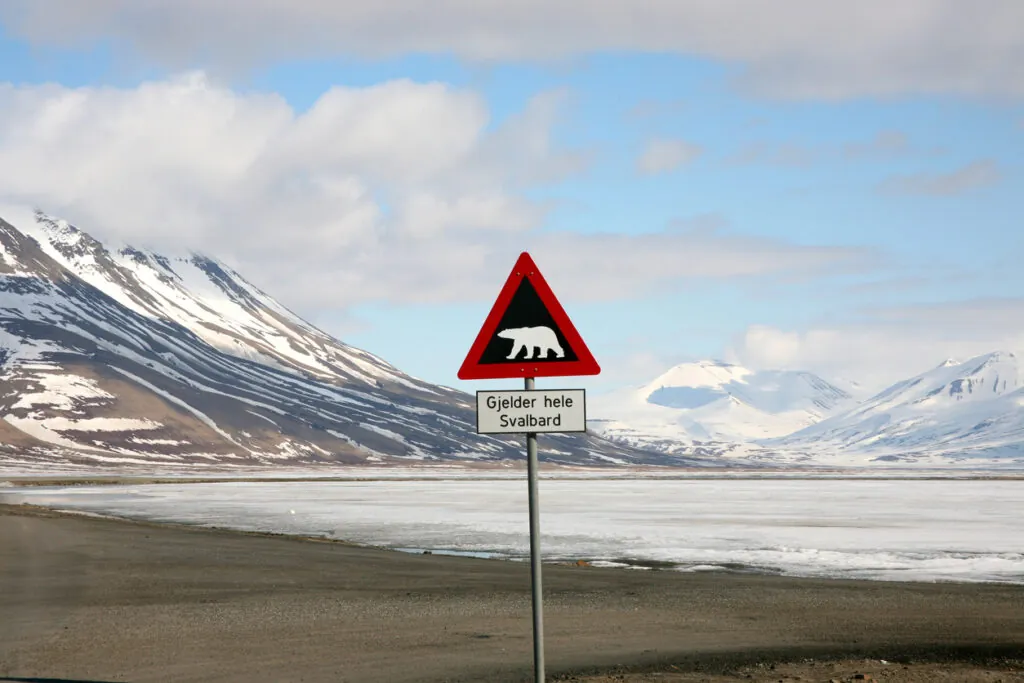
Wildlife Safety and Respect: Our Approach to Vulnerable Arctic Wildlife Encounters
Wildlife Safety and Respect: Our Approach to Vulnerable Arctic Wildlife Encounters Arctic travelers often take wildlife safety too lightly. Polar bears look majestic and make…
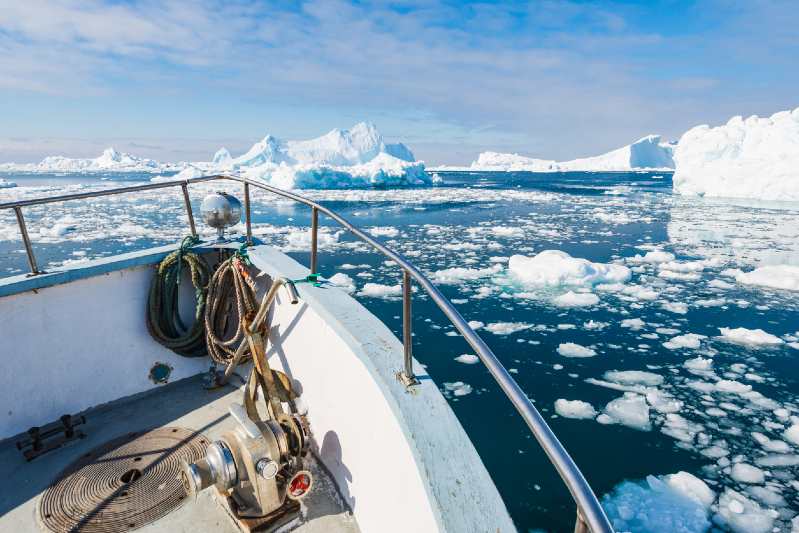
Top Arctic Islands You Can Visit on a Small-Ship Expedition
Top Arctic Islands You Can Visit on a Small-Ship Expedition The Arctic has some of Earth’s most beautiful and wild landscapes and small-ship expeditions offer…

The Photographer’s Arctic Dream: Your Guide to Capturing Nature’s Best Moments
The Photographer’s Arctic Dream: Your Guide to Capturing Nature’s Best Moments Is the photographer’s arctic all it promises to be? The Arctic offers photographers a…
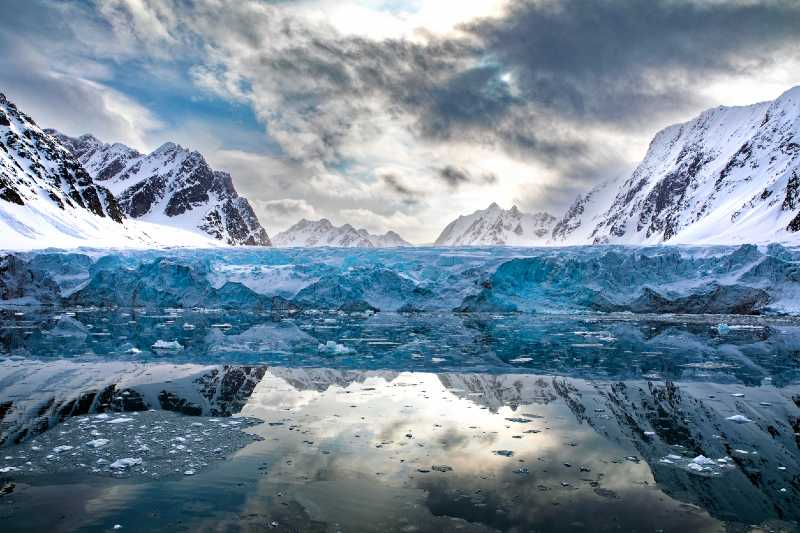
What Makes Svalbard Different from Greenland and Iceland?
What Makes Svalbard Different from Greenland and Iceland? People often group Arctic destinations together. They think Iceland, Greenland, and Svalbard offer similar experiences. The truth…