Svalbard Wildlife Tours in 2026: What’s New for Arctic Wildlife Watchers
Svalbard has always been a frontier destination. A place where sea ice shifts without warning, where glaciers carve deep blue edges into the horizon, and where wildlife moves according to rhythms older than modern maps. In 2026, Svalbard Wildlife Tours are evolving once again — not in scale, but in depth. Travellers are seeking something…
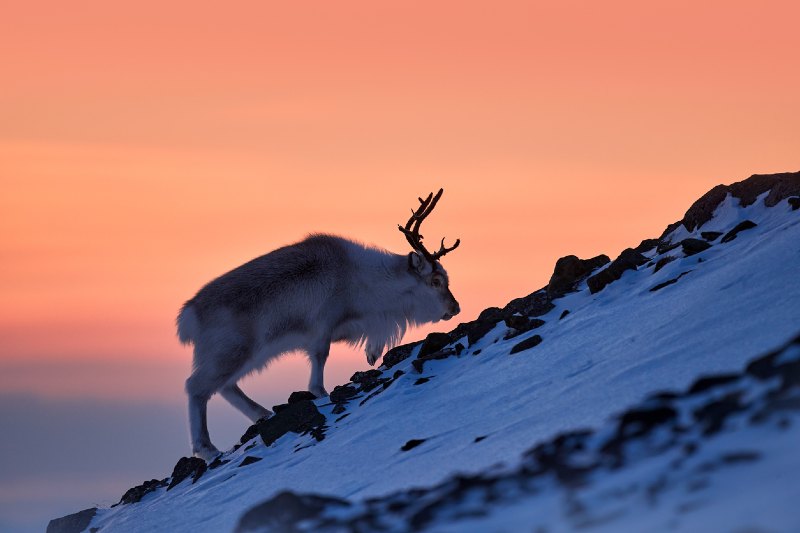
Svalbard has always been a frontier destination. A place where sea ice shifts without warning, where glaciers carve deep blue edges into the horizon, and where wildlife moves according to rhythms older than modern maps. In 2026, Svalbard Wildlife Tours are evolving once again — not in scale, but in depth.
Travellers are seeking something more intentional. Smaller groups. Slower exploration. Greater understanding of Arctic ecosystems. The coming season reflects that shift. For those considering Svalbard Wildlife Tours in 2026, here is what’s changing and what it means for wildlife watchers.
A Greater Focus on Responsible Wildlife Encounters
In recent years, Arctic tourism guidelines have continued to develop alongside conservation research. Organisations such as the Arctic Council have emphasised stricter wildlife observation distances and improved environmental standards. Operators across Svalbard are responding accordingly.
In 2026, Svalbard Wildlife Tours are placing even stronger emphasis on low-impact viewing practices. Zodiac landings are carefully timed to avoid nesting periods. Vessel routes are adjusted in response to sea ice conditions and marine mammal movements. Guides are increasingly trained in wildlife interpretation rather than simple spotting.
For travellers, this means encounters that feel quieter and more considered. Observing a walrus haul-out from a respectful distance or watching Arctic foxes along the tundra becomes less about proximity and more about understanding behaviour within its environment.
Smaller Expedition Groups, Deeper Exploration
A defining shift for Svalbard Wildlife Tours in 2026 is group size. Rather than expanding capacity, many operators are reducing passenger numbers to improve access to landing sites and wildlife zones.
Small-group Arctic expeditions allow greater flexibility. If polar bears are reported along the pack ice edge, the itinerary can adapt. If a pod of belugas surfaces near a glacier front, guides can spend time interpreting behaviour rather than rushing to the next waypoint.
This approach mirrors the philosophy behind many small group Arctic expeditions — prioritising meaningful wildlife observation over fast-paced sightseeing.
For wildlife watchers, fewer travellers on board often translates to:
- Easier access to viewing decks
- More personalised guidance from expedition leaders
- Longer, more immersive landings
The landscape remains vast, but the experience feels more intimate.
Advances in Arctic Photography Support
Photography has always played a central role in Svalbard Wildlife Tours. In 2026, specialised departures are offering enhanced onboard support for wildlife photographers.
Dedicated photography guides, stabilised viewing platforms, and flexible daily briefings are becoming standard features on certain itineraries. The goal is not to stage moments but to anticipate them — whether that is a breaching whale or shifting light across glacial ice.
For those seeking trips specifically tailored toward visual storytelling, Arctic photography expeditions continue to expand their technical guidance and field support.
Wildlife watchers who carry cameras will find 2026 departures structured around patience rather than pressure.
Seasonal Shifts and Wildlife Patterns
Changing sea ice patterns continue to influence wildlife movement around Svalbard. While this does not diminish sightings, it does shape where and when they occur.
In early summer, bird cliffs are particularly active, with thousands of seabirds returning to nest. Later in the season, retreating sea ice can create dynamic opportunities for observing polar bears navigating the pack.
Svalbard Wildlife Tours in 2026 are increasingly built around these seasonal transitions rather than fixed routes. Expedition teams monitor ice charts, weather systems, and wildlife reports in real time, adjusting course accordingly.
Travellers interested in understanding the broader environmental context behind these changes can explore research initiatives supported by the World Wildlife Fund, which continues to study Arctic biodiversity and climate impacts.
A Stronger Commitment to Sustainable Arctic Tourism
Sustainability is no longer an add-on; it is becoming central to expedition design. Fuel-efficient vessels, reduced single-use plastics, and stricter waste management protocols are being adopted across Svalbard Wildlife Tours.
Educational briefings now form part of daily routines. Guests learn about local ecosystems, wildlife pressures, and conservation frameworks before stepping ashore. The intention is to leave not just footprints in snow, but informed perspectives.
For a deeper look into the principles shaping responsible Arctic travel, explore sustainable Arctic tourism, where conservation and exploration are closely linked.
What This Means for Arctic Wildlife Watchers in 2026
For travellers considering Svalbard Wildlife Tours next season, the changes are subtle yet meaningful. The Arctic remains unpredictable. Wildlife remains wild. But the framework surrounding these journeys is becoming more refined.
Expect:
- Smaller expedition groups
- Greater emphasis on wildlife ethics
- Flexible routes shaped by ice and animal movement
- Enhanced photography support
- Stronger sustainability standards
Above all, expect a slower pace. In the Arctic, observation rewards patience.
Planning Your Svalbard Wildlife Tour in 2026
The Arctic does not operate on fixed expectations. Ice moves. Weather shifts. Wildlife appears on its own terms. Svalbard Wildlife Tours are designed to respond to that reality rather than control it.
If 2026 is the year you are considering an Arctic journey, explore available expeditions and seasonal departures through Arctic Wildlife Tours. Thoughtfully designed itineraries, small groups, and experienced guides continue to shape meaningful wildlife experiences in one of the world’s most remote regions.
Related posts
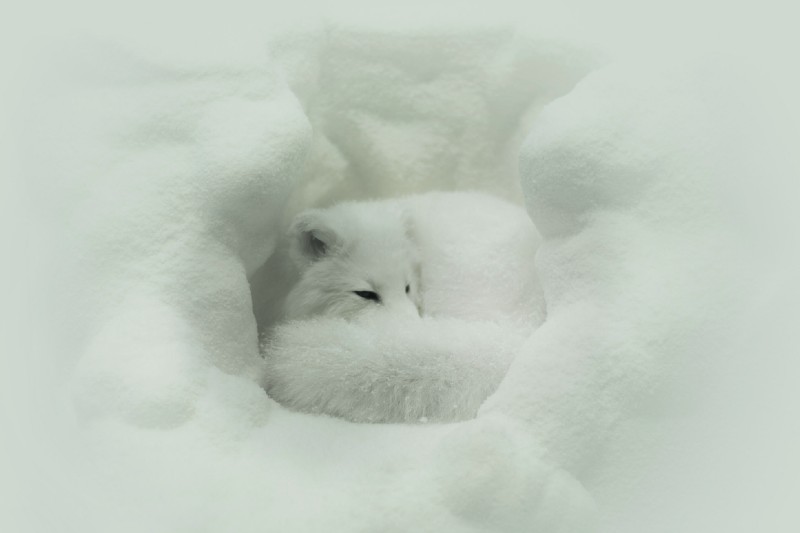
Arctic Fox Photography: Tips for Capturing These Elusive Hunters
There is something unmistakably captivating about an Arctic fox moving across snow. Light on its feet, alert to every sound, its coat shifting with the…
Svalbard Wildlife Tours in 2026: What’s New for Arctic Wildlife Watchers
Svalbard has always been a frontier destination. A place where sea ice shifts without warning, where glaciers carve deep blue edges into the horizon, and…
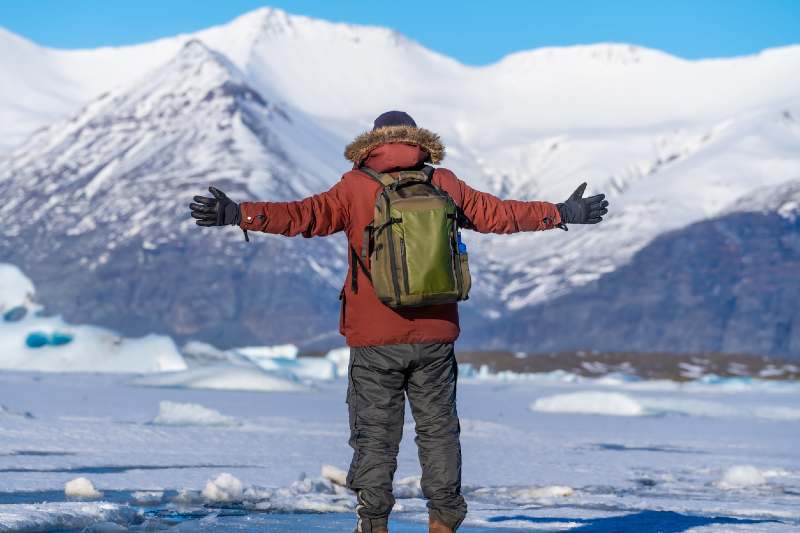
Arctic Expedition Packing Guide: What to Bring on Your Journey
Proper preparation makes the difference between struggling through Arctic conditions and fully embracing polar wilderness experiences. This Arctic expedition packing guide provides comprehensive advice for…
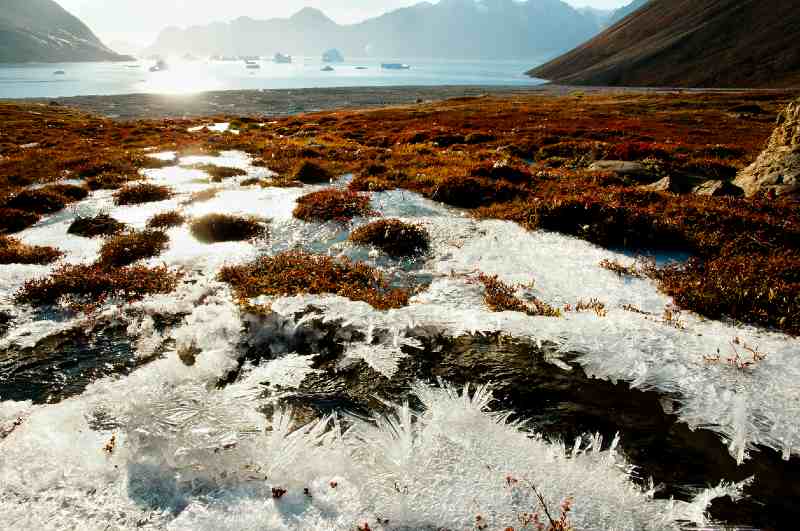
Best Time for Arctic Travel: A Seasonal Wildlife Guide
Choosing the best time for Arctic travel fundamentally shapes your wilderness experience, determining which wildlife you’ll encounter, what landscapes you’ll photograph, and which natural phenomena…
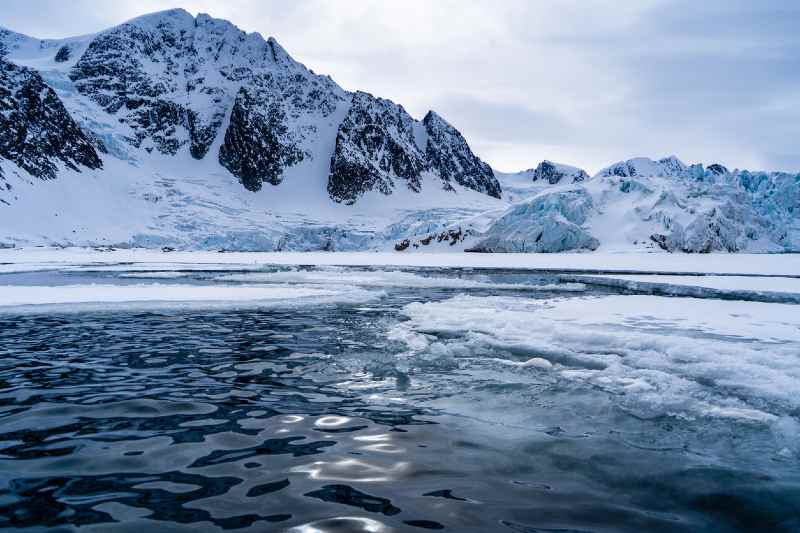
Sustainable Arctic Tourism: How Small Ships Protect What We Love
The Arctic faces unprecedented environmental pressures as tourism to polar regions has increased 500% over the past fifteen years. Sustainable Arctic tourism offers a responsible…
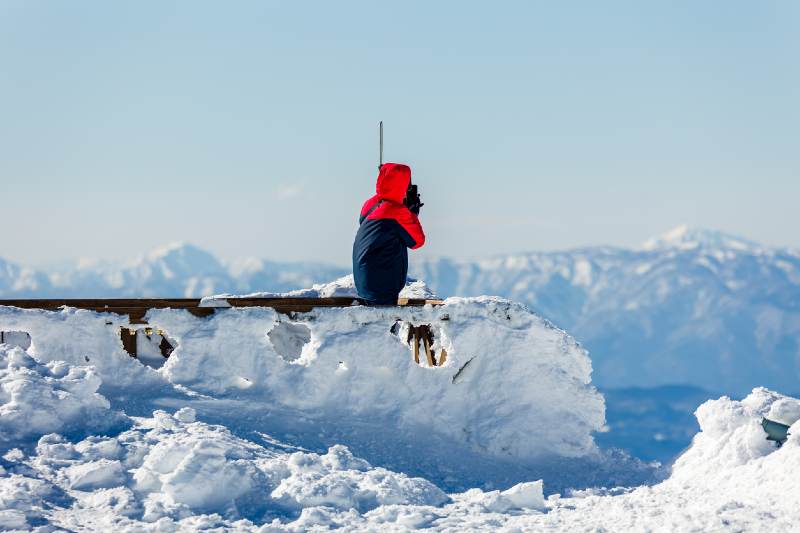
Arctic Photography Expeditions: Capture the Polar Wilderness
The Arctic holds some of Earth’s most extraordinary photography opportunities, from polar bears traversing endless ice sheets to the Aurora Borealis illuminating frozen fjords. Arctic…
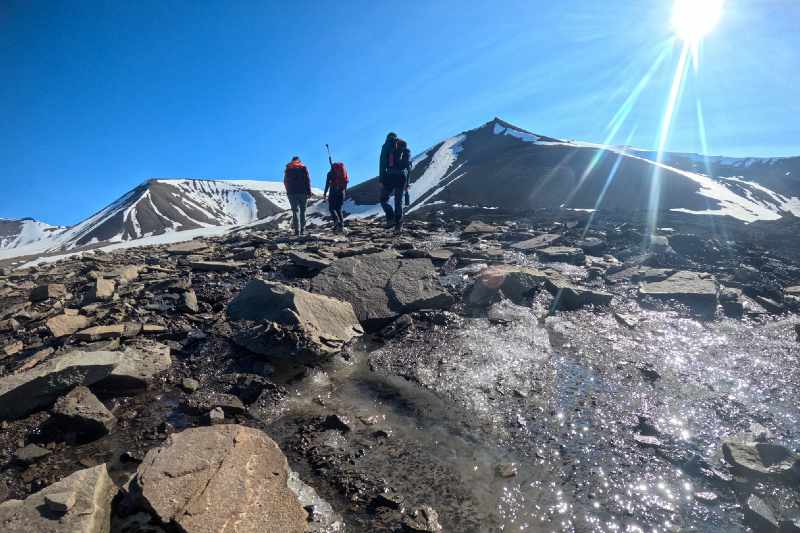
Small-Group Arctic Expeditions: Experience Nature Up Close
Standing on a small ship’s deck watching a polar bear traverse sea ice just meters away, surrounded by only a handful of fellow travelers, creates…
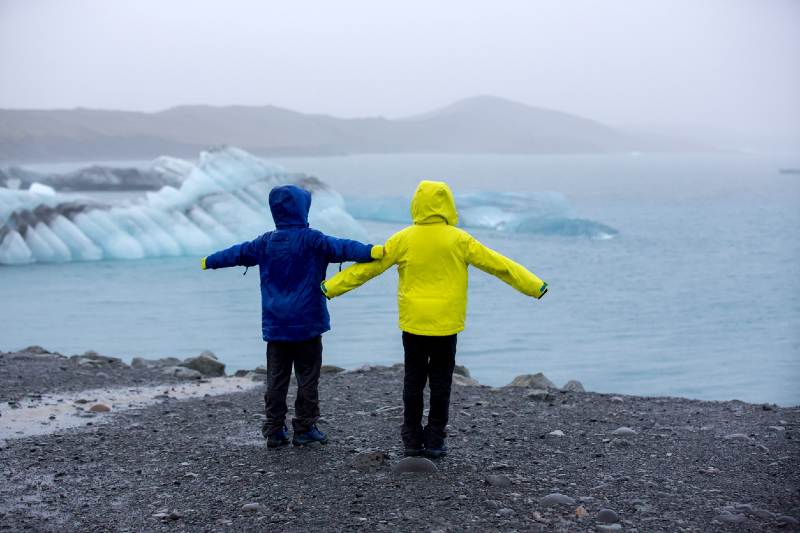
Creating Lasting Bonds: Why an Arctic Trip is the Ultimate Family Adventure (for All Ages)
Planning an arctic trip with your family might seem daunting at first – visions of icy landscapes and extreme cold can make parents hesitate. But…
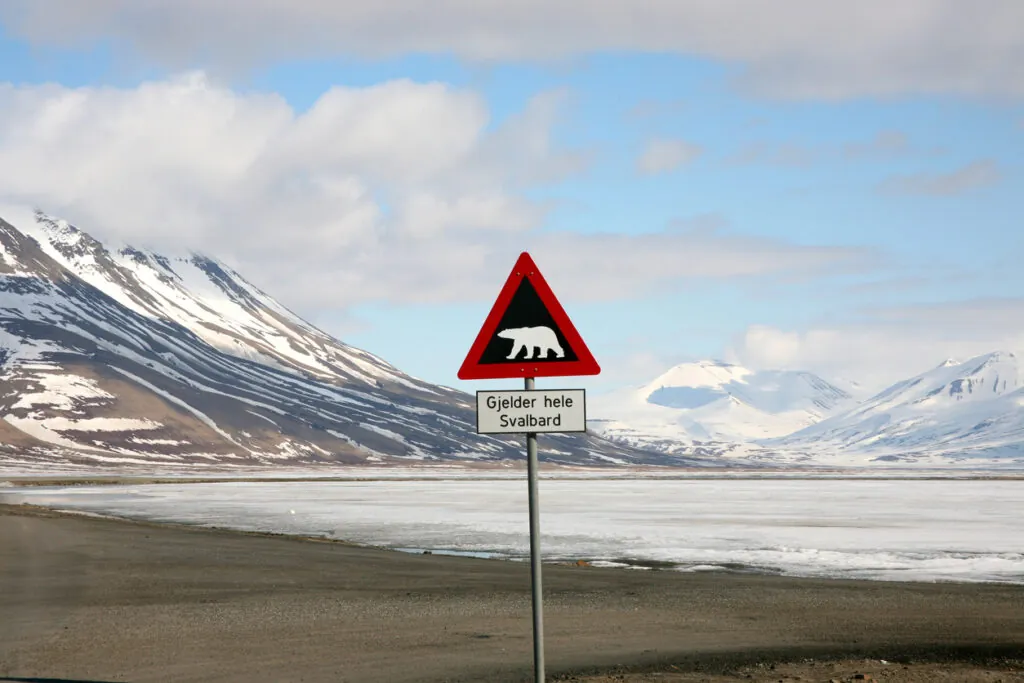
Wildlife Safety and Respect: Our Approach to Vulnerable Arctic Wildlife Encounters
Wildlife Safety and Respect: Our Approach to Vulnerable Arctic Wildlife Encounters Arctic travelers often take wildlife safety too lightly. Polar bears look majestic and make…
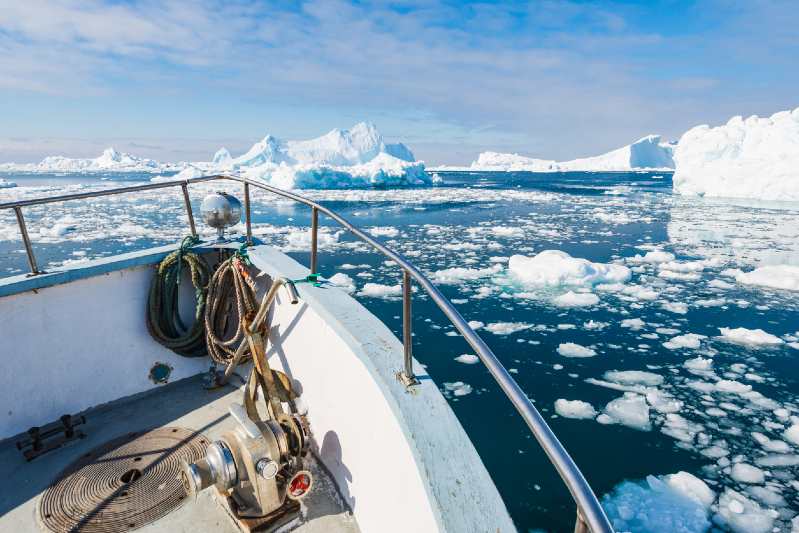
Top Arctic Islands You Can Visit on a Small-Ship Expedition
Top Arctic Islands You Can Visit on a Small-Ship Expedition The Arctic has some of Earth’s most beautiful and wild landscapes and small-ship expeditions offer…

The Photographer’s Arctic Dream: Your Guide to Capturing Nature’s Best Moments
The Photographer’s Arctic Dream: Your Guide to Capturing Nature’s Best Moments Is the photographer’s arctic all it promises to be? The Arctic offers photographers a…
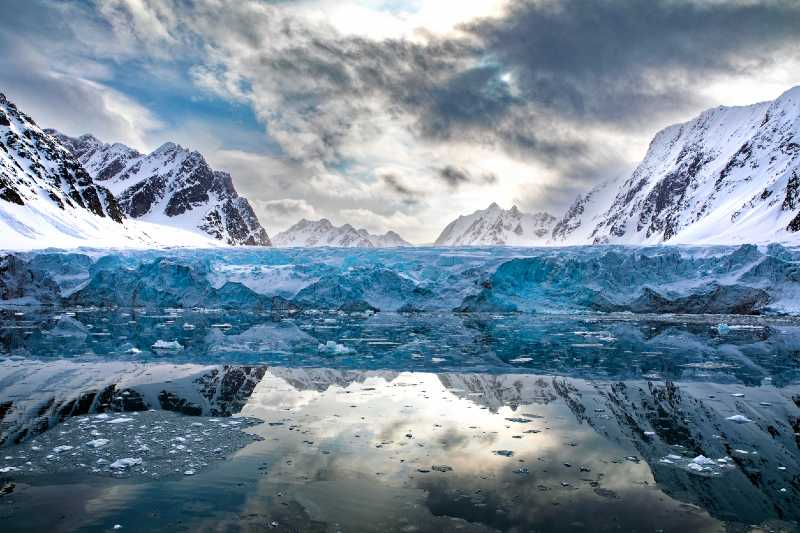
What Makes Svalbard Different from Greenland and Iceland?
What Makes Svalbard Different from Greenland and Iceland? People often group Arctic destinations together. They think Iceland, Greenland, and Svalbard offer similar experiences. The truth…