Best Time for Arctic Travel: A Seasonal Wildlife Guide
Choosing the best time for Arctic travel fundamentally shapes your wilderness experience, determining which wildlife you’ll encounter, what landscapes you’ll photograph, and which natural phenomena you’ll witness. Each Arctic season offers distinct advantages: spring brings polar bear families emerging from dens, summer delivers midnight sun and peak wildlife activity, autumn creates spectacular golden light for…
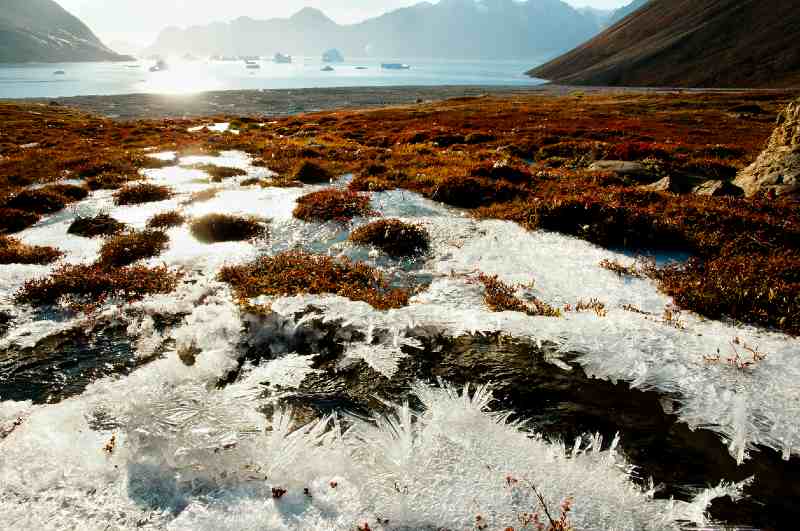
Choosing the best time for Arctic travel fundamentally shapes your wilderness experience, determining which wildlife you’ll encounter, what landscapes you’ll photograph, and which natural phenomena you’ll witness. Each Arctic season offers distinct advantages: spring brings polar bear families emerging from dens, summer delivers midnight sun and peak wildlife activity, autumn creates spectacular golden light for photography, and winter showcases the Aurora Borealis dancing across dark skies. Understanding seasonal differences helps travelers select expeditions aligned with their interests, whether wildlife photography, Northern Lights viewing, or encountering specific Arctic species.
Spring: Polar Bear Season and Ice Breakup (April – May)
Spring transforms Arctic landscapes as temperatures rise and sea ice begins breaking apart. This season delivers exceptional polar bear viewing opportunities as bears hunt seals intensively along ice edges where open water meets frozen surfaces. The dramatic ice-water interface creates perfect hunting conditions for bears and unparalleled viewing opportunities for travelers.
Mother polar bears emerge from winter dens with newborn cubs during April and May. Watching tiny cubs take their first steps on sea ice, play-fighting with siblings, and learning survival skills from protective mothers creates unforgettable wildlife encounters. These family groups remain visible near denning areas before dispersing across hunting territories.
Arctic bird migrations begin in late spring as millions of seabirds return to nesting cliffs. Species including guillemots, puffins, and kittiwakes arrive from southern wintering grounds, filling the air with constant activity and noise. The melting landscape reveals patches of tundra beneath retreating snow, signaling the approaching summer season.
Spring expeditions offer relatively stable weather conditions with increasing daylight hours. Temperatures remain cold enough to maintain excellent sea ice conditions for polar bear viewing while providing comfortable travel conditions. This shoulder season often features fewer vessels than peak summer, delivering more intimate Arctic experiences.
Early Summer: Midnight Sun Magic (June – July)
The best time for Arctic travel for photographers seeking optimal light conditions arrives with early summer’s midnight sun. Above the Arctic Circle, the sun remains visible 24 hours daily, creating endless golden-hour lighting that transforms ordinary scenes into extraordinary images. This continuous daylight allows flexible expedition schedules responding to wildlife sightings and weather conditions.
Arctic fox families become highly visible during June and July as parents hunt constantly to feed growing pups. Young foxes play outside dens while transitioning from white winter coats to brown summer pelage. Patient observers witness hunting techniques, family interactions, and the remarkable adaptability of these small predators.
Walrus colonies gather on beaches and ice floes during early summer. Bulls weighing up to 1,700 kilograms haul out in dense groups, creating impressive displays of Arctic megafauna. Their vocalizations, social behaviors, and sheer size provide compelling wildlife viewing opportunities.
Seabird colonies reach peak activity as eggs hatch and chicks demand constant feeding. Cliffs become vertical cities of nesting birds, with parents making countless feeding trips while chicks grow rapidly. The combination of midnight sun, active wildlife, and relatively warm temperatures makes early summer ideal for families and first-time Arctic travelers.
Peak Summer: Maximum Wildlife Diversity (Late July – August)
Late summer represents the busiest period for Arctic wildlife as every species maximizes feeding opportunities before winter returns. This intensity creates exceptional viewing conditions across all wildlife categories. Whales including humpbacks, belugas, and minke whales arrive in Arctic waters following fish migrations, providing spectacular marine wildlife encounters.
Humpback whales breach spectacularly, launching their massive bodies completely clear of the water. Beluga pods navigate shallow coastal areas, their white bodies visible against dark water. Minke whales surface frequently while hunting, offering reliable sightings throughout expeditions.
The tundra explodes with brief but intense blooming during late summer. Wildflowers carpet the landscape in purple saxifrage, yellow Arctic poppies, and white mountain avens. This botanical abundance attracts reindeer, caribou, and musk oxen that graze intensively before autumn arrives.
Peak summer offers the warmest Arctic temperatures, making shore excursions and zodiac cruising most comfortable. Extended daylight continues, though the sun briefly dips toward the horizon around midnight. This season attracts the highest visitor numbers, so booking well ahead secures preferred departure dates.
Autumn: Golden Light and Feeding Frenzy (September – Early October)
Autumn delivers arguably the best time for Arctic travel for serious photographers. Low sun angles create warm golden and orange light throughout the day, transforming ice, tundra, and wildlife subjects into extraordinary images. Dramatic side-lighting and long shadows add depth and dimension impossible during summer’s overhead sun.
Wildlife behavior intensifies as animals prepare for winter. Polar bears hunt with increased urgency, building fat reserves for the lean months ahead. Arctic foxes cache excess food in hidden locations. Birds begin southern migrations, with some species covering thousands of kilometers to reach wintering grounds.
The landscape undergoes rapid transformation as early snowfalls dust mountain peaks while valleys retain autumn tundra colors. This striking contrast between seasons creates uniquely Arctic scenes. Freezing temperatures return gradually, with ice beginning to reform in protected bays and fjords.
Autumn expeditions encounter fewer vessels than summer, delivering more solitary wilderness experiences. Weather becomes more variable with potential for storms, but experienced operators navigate conditions safely. The combination of exceptional light, active wildlife, and relative solitude makes September highly sought-after among experienced Arctic travelers.
Winter: Northern Lights and Frozen Wilderness (November – March)
Winter brings extreme Arctic conditions with temperatures plunging far below freezing and darkness lasting months in high latitudes. Yet this harsh season offers the best time for Arctic travel for experiencing the Aurora Borealis at peak intensity. Long winter nights provide maximum darkness for Northern Lights viewing, with displays often lasting hours.
The Aurora Borealis appears most frequently and dramatically during winter months when solar activity combines with extended darkness. Green curtains wave across the sky while pink, purple, and red hues dance overhead. Photographing Northern Lights against snow-covered Arctic landscapes creates magical images impossible during other seasons.
Polar bears roam frozen sea ice throughout winter, their thick white coats providing perfect camouflage. Locating bears requires expert guides understanding behavior patterns, hunting areas, and safe viewing protocols. Winter expeditions to specific regions like Svalbard offer unique opportunities for polar bear encounters against dramatic ice backdrops.
Winter Arctic travel demands specialized equipment, experienced leadership, and flexible schedules accommodating weather challenges. However, travelers willing to embrace extreme conditions experience the Arctic at its most raw and authentic, witnessing landscapes and wildlife few people ever see.
Matching Your Interests to Arctic Seasons
Selecting the best time for Arctic travel requires aligning seasonal conditions with personal priorities. Wildlife enthusiasts seeking polar bear families should target April-May spring expeditions. Photographers wanting endless golden light choose June-July midnight sun departures. Those prioritizing whale encounters select late July-August peak summer voyages.
Northern Lights enthusiasts must travel during dark winter months from November through March. Autumn travelers September-October gain photographic advantages from low sun angles and golden light. Summer visitors June-August enjoy warmest temperatures and maximum wildlife diversity.
Consider physical comfort levels when choosing seasons. Summer offers mild temperatures and easier conditions for those less experienced with extreme cold. Spring and autumn require more substantial cold-weather gear but deliver exceptional wildlife opportunities. Winter demands serious cold-weather preparation but rewards adventurous travelers with once-in-a-lifetime experiences.
Frequently Asked Questions: Best Time for Arctic Travel
What is the absolute best month for Arctic wildlife viewing?
July and August offer the greatest wildlife diversity with polar bears, walruses, Arctic foxes, seabirds, and multiple whale species all active simultaneously. However, April-May provides the best polar bear family viewing as mothers emerge with cubs, while September delivers exceptional photography conditions. The “best” month depends on which wildlife species interest you most and whether you prioritize quantity of species versus specific encounters.
Can you see the Northern Lights during Arctic summer?
No, the midnight sun during Arctic summer (June-August) creates 24-hour daylight that prevents Northern Lights viewing. The Aurora Borealis requires darkness to be visible. The best time for Arctic travel to see Northern Lights is November through March when long winter nights provide maximum darkness. September-October and March-April offer possibilities for seeing both Aurora and some wildlife, though daylight hours increase rapidly in spring.
Is spring or autumn better for first-time Arctic travelers?
Early summer (June-July) typically works best for first-time Arctic travelers. Warmer temperatures make the experience more comfortable, midnight sun provides constant light reducing navigation risks, and wildlife diversity remains excellent. Spring (April-May) offers incredible polar bear viewing but requires more cold-weather tolerance. Autumn (September) delivers exceptional photography but features more variable weather. Summer balances comfort, wildlife opportunities, and accessible conditions ideal for Arctic newcomers.
Ready to Choose Your Perfect Arctic Season?
Arctic Wildlife Tours offers expertly guided small-ship expeditions during every season, matching your interests with optimal travel periods. Whether you dream of photographing polar bear cubs in spring, experiencing midnight sun wildlife activity in summer, capturing golden autumn light, or witnessing winter’s Northern Lights, our specialized departures deliver authentic Arctic wilderness experiences. Our naturalist guides understand seasonal wildlife patterns, ensuring you’re positioned perfectly for the encounters you’ve traveled so far to witness.
Contact Arctic Wildlife Tours today to discuss which season aligns with your Arctic dreams and secure your place on an expedition timed perfectly for your interests.
Related posts
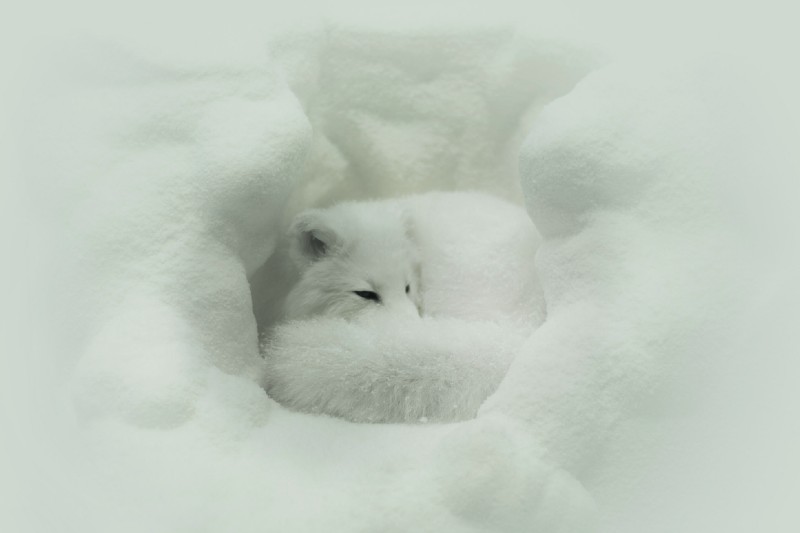
Arctic Fox Photography: Tips for Capturing These Elusive Hunters
There is something unmistakably captivating about an Arctic fox moving across snow. Light on its feet, alert to every sound, its coat shifting with the…
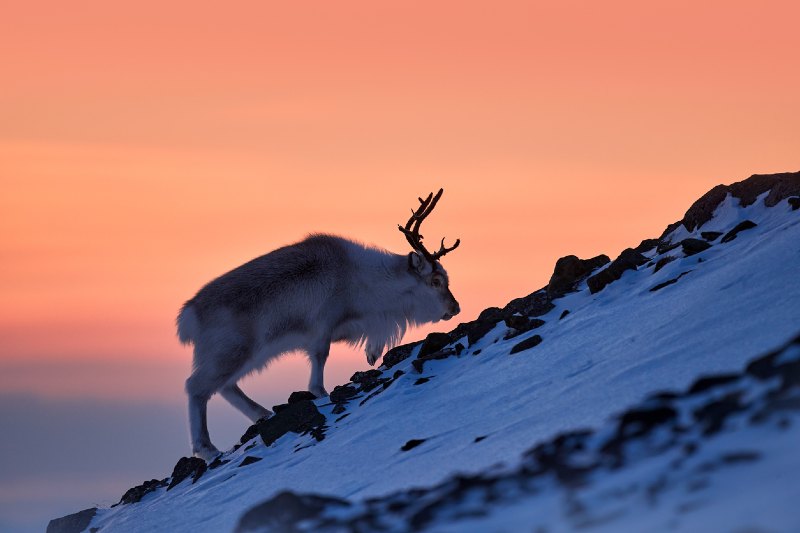
Svalbard Wildlife Tours in 2026: What’s New for Arctic Wildlife Watchers
Svalbard has always been a frontier destination. A place where sea ice shifts without warning, where glaciers carve deep blue edges into the horizon, and…
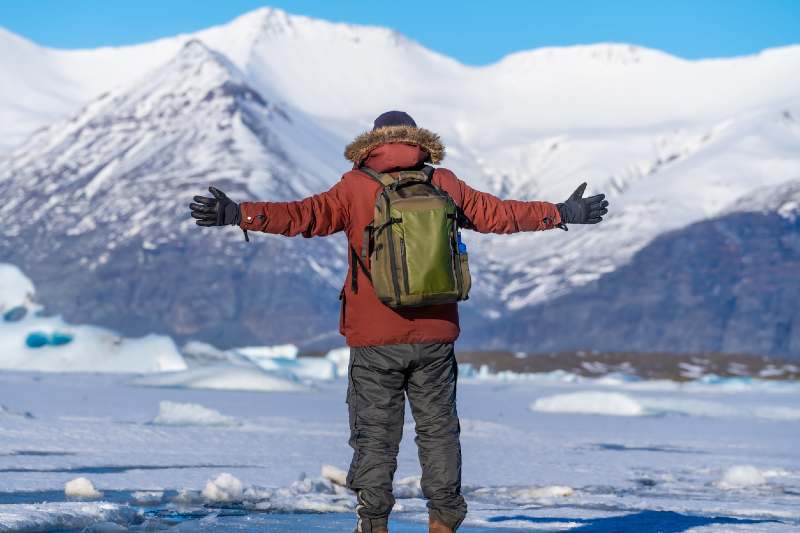
Arctic Expedition Packing Guide: What to Bring on Your Journey
Proper preparation makes the difference between struggling through Arctic conditions and fully embracing polar wilderness experiences. This Arctic expedition packing guide provides comprehensive advice for…
Best Time for Arctic Travel: A Seasonal Wildlife Guide
Choosing the best time for Arctic travel fundamentally shapes your wilderness experience, determining which wildlife you’ll encounter, what landscapes you’ll photograph, and which natural phenomena…
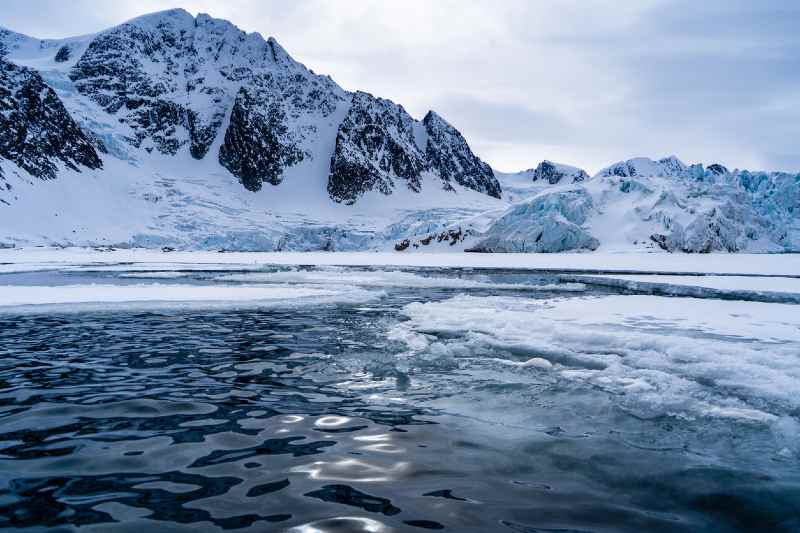
Sustainable Arctic Tourism: How Small Ships Protect What We Love
The Arctic faces unprecedented environmental pressures as tourism to polar regions has increased 500% over the past fifteen years. Sustainable Arctic tourism offers a responsible…
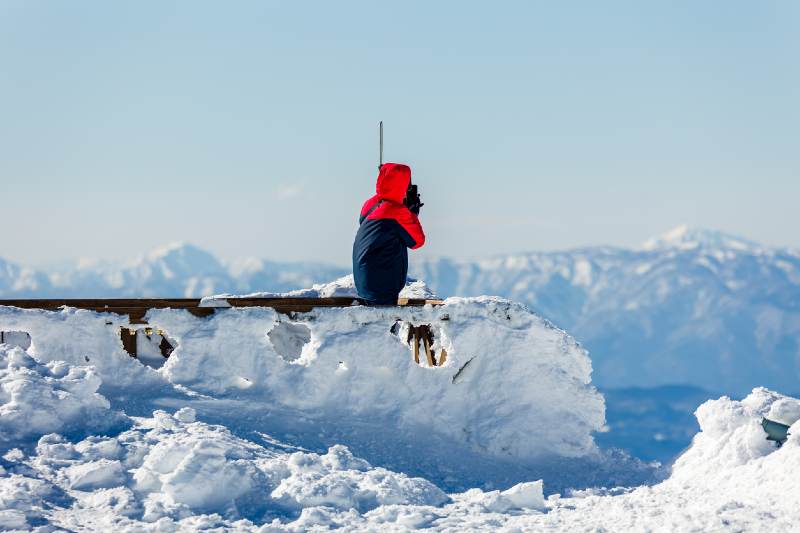
Arctic Photography Expeditions: Capture the Polar Wilderness
The Arctic holds some of Earth’s most extraordinary photography opportunities, from polar bears traversing endless ice sheets to the Aurora Borealis illuminating frozen fjords. Arctic…
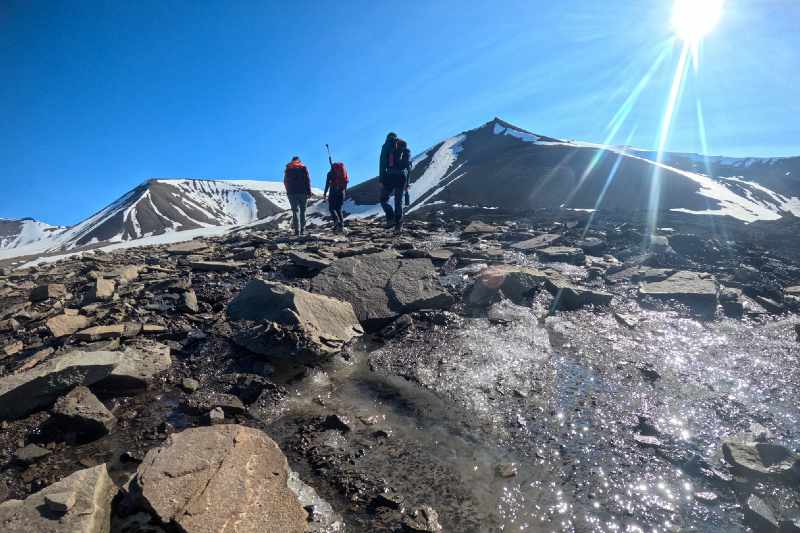
Small-Group Arctic Expeditions: Experience Nature Up Close
Standing on a small ship’s deck watching a polar bear traverse sea ice just meters away, surrounded by only a handful of fellow travelers, creates…
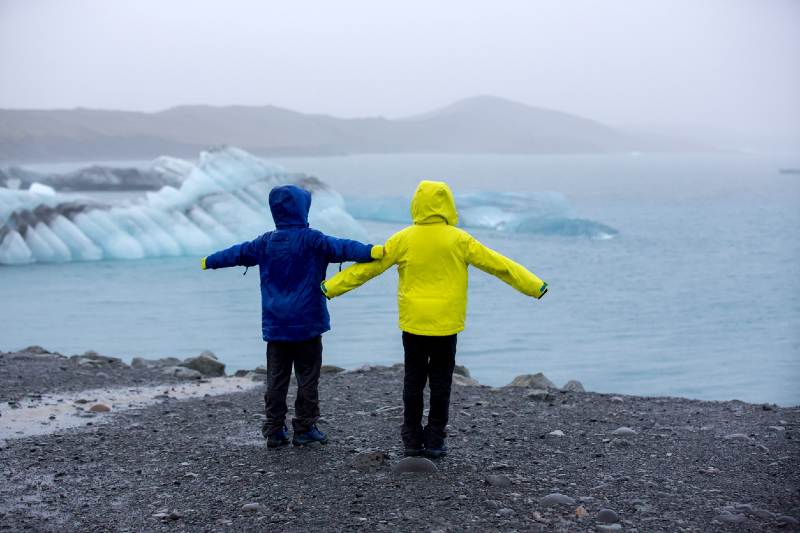
Creating Lasting Bonds: Why an Arctic Trip is the Ultimate Family Adventure (for All Ages)
Planning an arctic trip with your family might seem daunting at first – visions of icy landscapes and extreme cold can make parents hesitate. But…
Wildlife Safety and Respect: Our Approach to Vulnerable Arctic Wildlife Encounters
Wildlife Safety and Respect: Our Approach to Vulnerable Arctic Wildlife Encounters Arctic travelers often take wildlife safety too lightly. Polar bears look majestic and make…
Top Arctic Islands You Can Visit on a Small-Ship Expedition
Top Arctic Islands You Can Visit on a Small-Ship Expedition The Arctic has some of Earth’s most beautiful and wild landscapes and small-ship expeditions offer…

The Photographer’s Arctic Dream: Your Guide to Capturing Nature’s Best Moments
The Photographer’s Arctic Dream: Your Guide to Capturing Nature’s Best Moments Is the photographer’s arctic all it promises to be? The Arctic offers photographers a…
What Makes Svalbard Different from Greenland and Iceland?
What Makes Svalbard Different from Greenland and Iceland? People often group Arctic destinations together. They think Iceland, Greenland, and Svalbard offer similar experiences. The truth…