Arctic Photography Expeditions: Capture the Polar Wilderness
The Arctic holds some of Earth’s most extraordinary photography opportunities, from polar bears traversing endless ice sheets to the Aurora Borealis illuminating frozen fjords. Arctic photography expeditions combine expert guidance, prime wildlife locations, and optimal lighting conditions to help you capture once-in-a-lifetime images. Whether you’re photographing Svalbard’s dramatic glaciers or Greenland’s massive icebergs, these specialized…
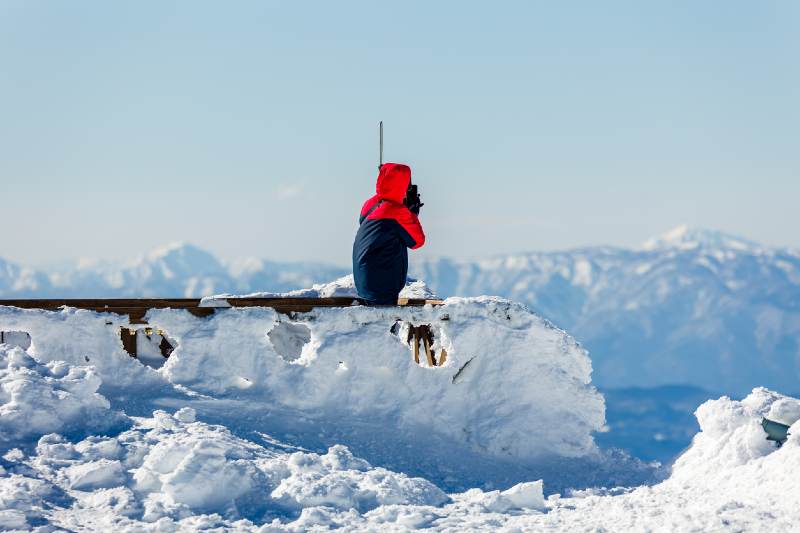
The Arctic holds some of Earth’s most extraordinary photography opportunities, from polar bears traversing endless ice sheets to the Aurora Borealis illuminating frozen fjords. Arctic photography expeditions combine expert guidance, prime wildlife locations, and optimal lighting conditions to help you capture once-in-a-lifetime images. Whether you’re photographing Svalbard’s dramatic glaciers or Greenland’s massive icebergs, these specialized tours position you perfectly for stunning polar wilderness shots.
Why Choose Arctic Photography Expeditions?
Standard Arctic tours follow fixed schedules regardless of conditions. Photography expeditions adapt to light, weather, and wildlife behavior. When a polar bear appears or the Northern Lights intensify, your vessel adjusts timing to maximize shooting opportunities.
Expert photographers lead these expeditions, sharing decades of polar experience. They know where Arctic foxes hunt at dawn, when seals surface, and how to compose shots in endless white landscapes. This guidance transforms amateur snapshots into portfolio-worthy images.
Small group sizes ensure everyone gets clear shooting positions. With maximum 12-20 participants, you won’t fight crowds for tripod space or miss shots while waiting your turn.
Best Arctic Photography Destinations
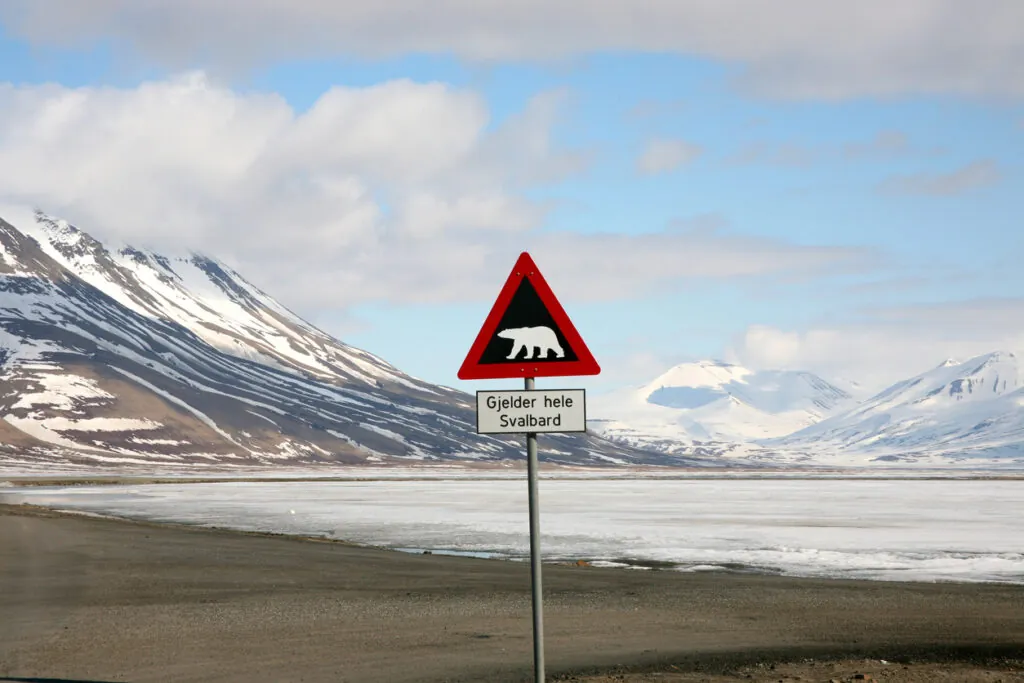
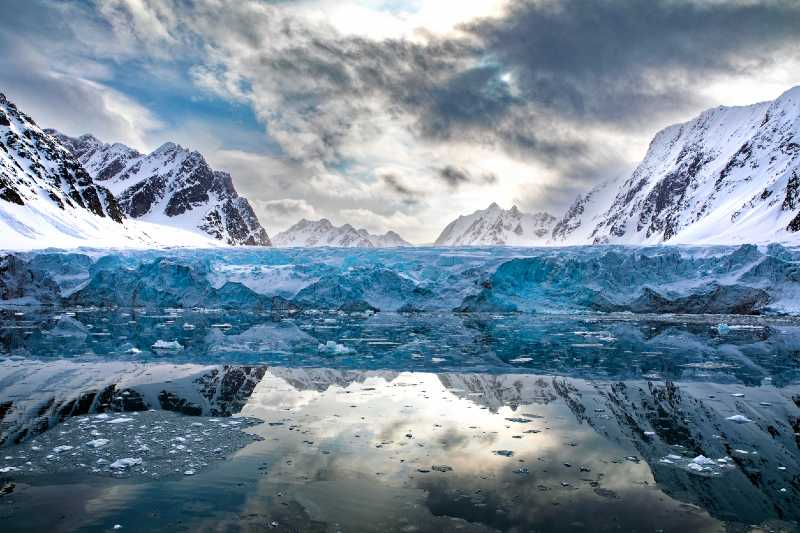
Svalbard, Norway offers the highest polar bear concentration accessible by expedition vessel. The archipelago’s dramatic glaciers, mountains, and tundra create stunning backdrops. Arctic foxes, walruses, and countless seabirds provide diverse wildlife subjects.
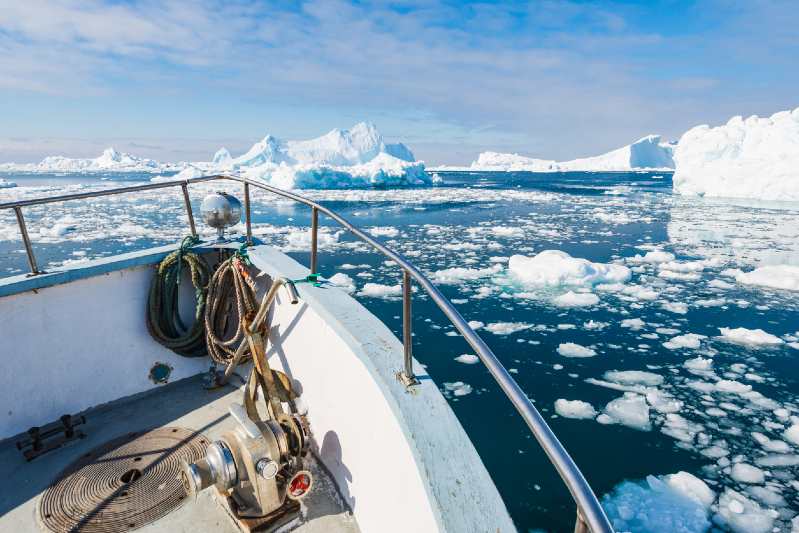
Greenland’s massive icebergs deliver extraordinary scale and color. The blue ice glows from within, while calving glaciers create dramatic action shots. East Greenland’s remoteness adds authenticity to wilderness photography.
The Canadian Arctic provides true isolation. Baffin Island’s deep fjords and glaciers appeal to landscape photographers, while narwhals offer unique marine wildlife opportunities unavailable elsewhere.
Essential Camera Equipment for Polar Conditions
Arctic cold challenges photography gear significantly. Batteries drain rapidly below freezing. LCD screens slow or freeze. Condensation forms when moving between outdoor cold and warm ship cabins.
Pack multiple spare batteries and keep them warm inside jacket pockets. Bring moisture-absorbing silica packets for camera bags. Weather-sealed camera bodies and lenses survive Arctic conditions better than standard equipment.
A telephoto lens (400mm minimum) captures wildlife ethically from safe distances. Wide-angle lenses (16-35mm) showcase vast ice landscapes and Northern Lights. A sturdy tripod proves essential for low-light Aurora photography and sharp landscape images.
Mastering Arctic Light and Composition
Summer’s midnight sun bathes the Arctic in golden light for hours, eliminating harsh midday shadows. Winter brings deep blue twilight and the magical Aurora Borealis dancing across dark skies.
Composing in predominantly white environments requires specific techniques. Search for color contrast: a bird’s bright beak, red blood on ice, or the intense blue inside icebergs. These elements anchor compositions and guide viewers’ eyes.
Scale presents unique challenges when photographing vast ice landscapes. Including recognizable elements—a person, zodiac boat, or animal—helps viewers comprehend the enormous scale of glaciers and ice sheets.
Wildlife Photography Ethics
Responsible Arctic photography prioritizes animal welfare. Maintain safe distances and never chase wildlife or block escape routes. If animals show stress or altered behavior, increase distance immediately.
Long telephoto lenses enable intimate wildlife portraits without disturbing subjects. Professional guides monitor animal behavior constantly, ensuring photography never compromises their wellbeing or survival.
When to Book Your Arctic Photography Expedition
Summer expeditions (June-August) offer 24-hour daylight, active wildlife, and accessible conditions. Autumn (September) brings dramatic light and fewer vessels. Winter photography expeditions focus on Northern Lights and unique ice formations.
Book 12-18 months ahead for preferred dates and cabin choices. Popular photography departures fill quickly, especially those led by renowned polar photographers.
Frequently Asked Questions
Do I need professional camera equipment for Arctic photography expeditions?
While professional gear helps, enthusiastic amateurs with decent DSLR or mirrorless cameras achieve excellent results. Weather-sealed bodies, spare batteries, and telephoto lenses (300mm+) matter more than brand names. Expedition leaders provide settings guidance for your specific equipment.
What camera settings work best for Arctic wildlife photography?
Fast shutter speeds (1/1000s+) freeze wildlife movement. Use continuous autofocus for tracking animals. Increase ISO (800-3200) in low light rather than risk motion blur. Shoot RAW format for maximum editing flexibility with tricky white balance in snow.
Can beginners join Arctic photography expeditions?
Absolutely. Photography expeditions welcome all skill levels. Experts provide one-on-one guidance, teaching camera settings, composition techniques, and wildlife approach methods. Daily photo reviews help you improve throughout the voyage.
Ready to Capture the Arctic’s Wild Beauty?
Arctic photography expeditions offer unparalleled opportunities to document Earth’s most spectacular wilderness. Our small-ship voyages combine prime wildlife locations, expert photographic guidance, and flexible itineraries designed specifically for serious photographers. Contact Arctic Wildlife Tours today to discuss upcoming photography departures and start planning your polar adventure.
Related posts
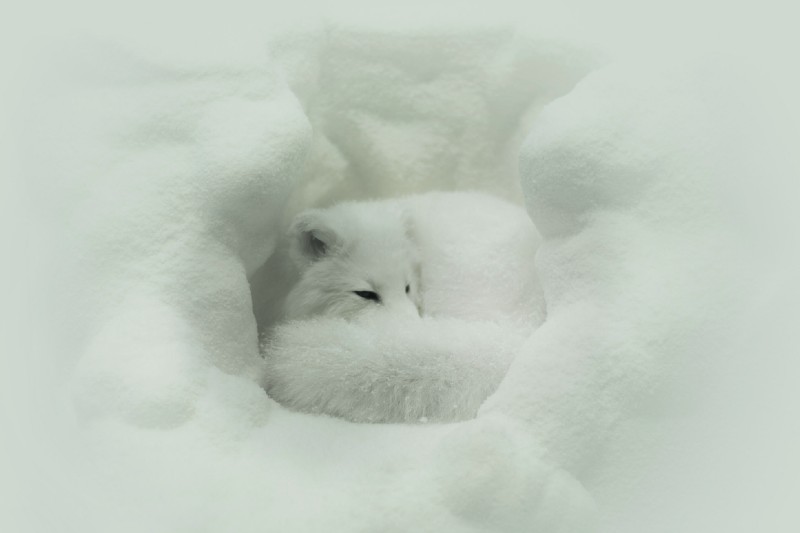
Arctic Fox Photography: Tips for Capturing These Elusive Hunters
There is something unmistakably captivating about an Arctic fox moving across snow. Light on its feet, alert to every sound, its coat shifting with the…
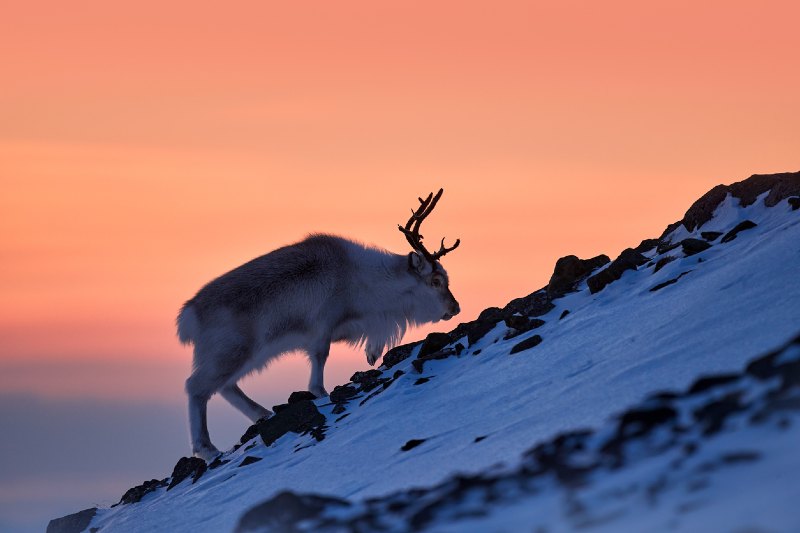
Svalbard Wildlife Tours in 2026: What’s New for Arctic Wildlife Watchers
Svalbard has always been a frontier destination. A place where sea ice shifts without warning, where glaciers carve deep blue edges into the horizon, and…
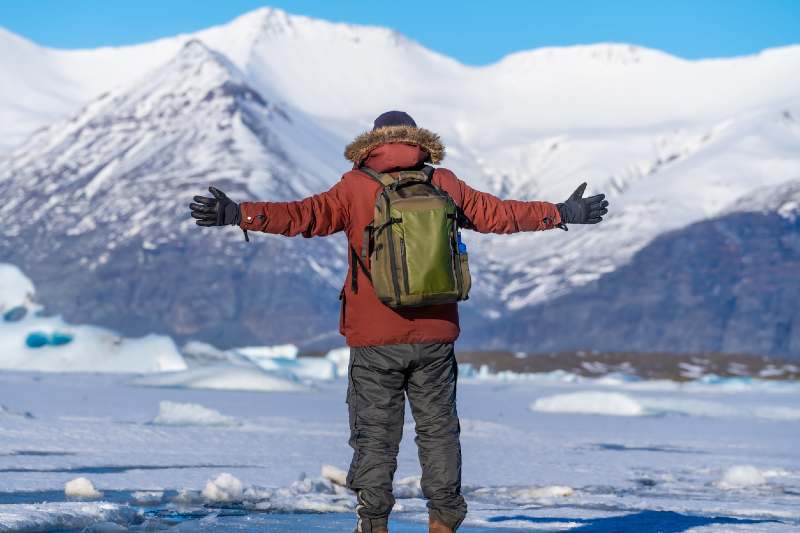
Arctic Expedition Packing Guide: What to Bring on Your Journey
Proper preparation makes the difference between struggling through Arctic conditions and fully embracing polar wilderness experiences. This Arctic expedition packing guide provides comprehensive advice for…
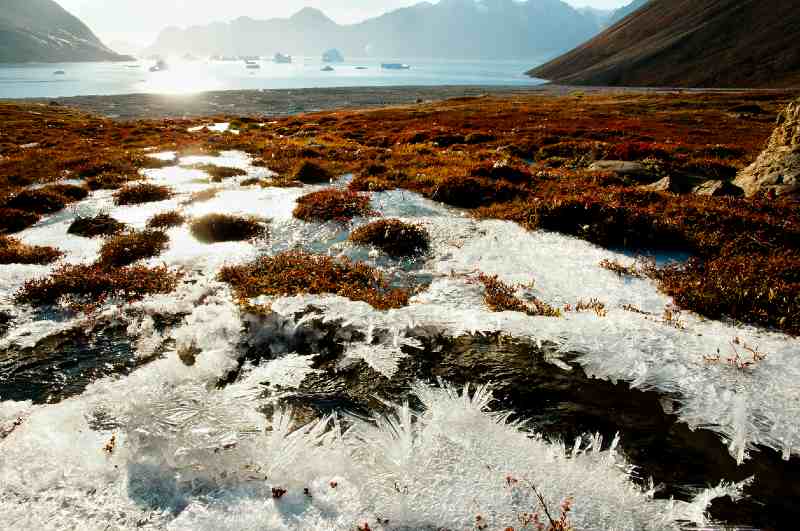
Best Time for Arctic Travel: A Seasonal Wildlife Guide
Choosing the best time for Arctic travel fundamentally shapes your wilderness experience, determining which wildlife you’ll encounter, what landscapes you’ll photograph, and which natural phenomena…
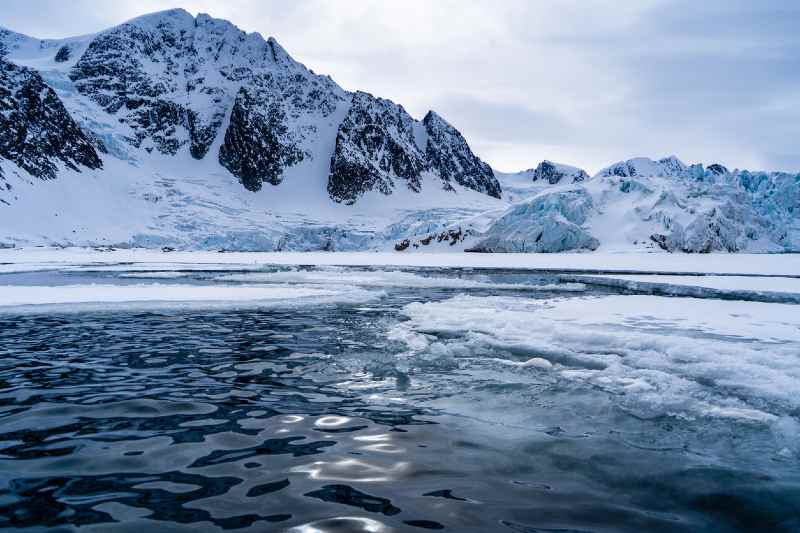
Sustainable Arctic Tourism: How Small Ships Protect What We Love
The Arctic faces unprecedented environmental pressures as tourism to polar regions has increased 500% over the past fifteen years. Sustainable Arctic tourism offers a responsible…
Arctic Photography Expeditions: Capture the Polar Wilderness
The Arctic holds some of Earth’s most extraordinary photography opportunities, from polar bears traversing endless ice sheets to the Aurora Borealis illuminating frozen fjords. Arctic…
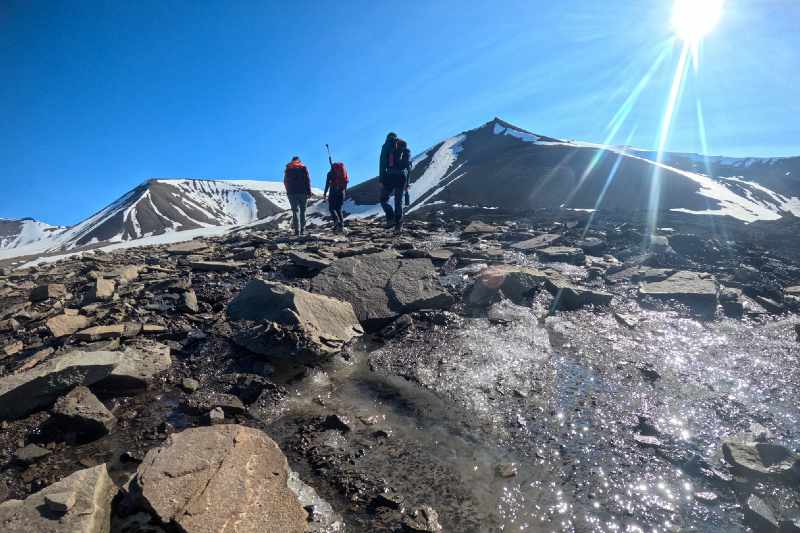
Small-Group Arctic Expeditions: Experience Nature Up Close
Standing on a small ship’s deck watching a polar bear traverse sea ice just meters away, surrounded by only a handful of fellow travelers, creates…
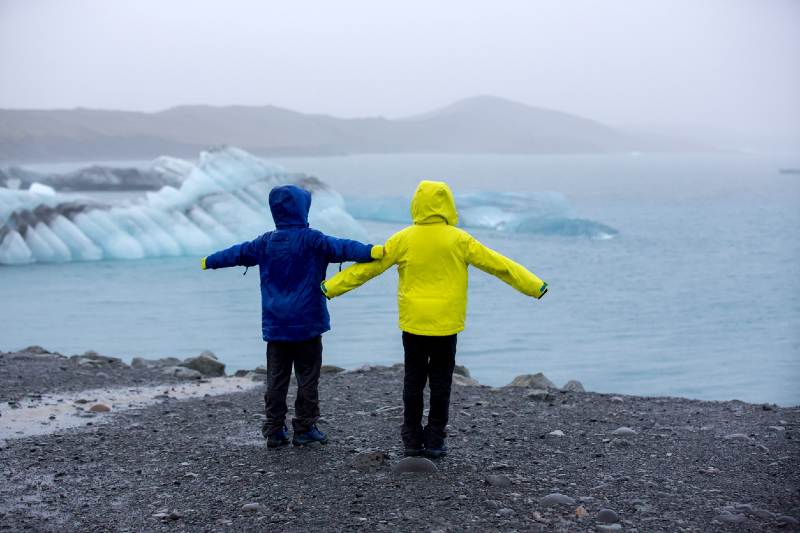
Creating Lasting Bonds: Why an Arctic Trip is the Ultimate Family Adventure (for All Ages)
Planning an arctic trip with your family might seem daunting at first – visions of icy landscapes and extreme cold can make parents hesitate. But…
Wildlife Safety and Respect: Our Approach to Vulnerable Arctic Wildlife Encounters
Wildlife Safety and Respect: Our Approach to Vulnerable Arctic Wildlife Encounters Arctic travelers often take wildlife safety too lightly. Polar bears look majestic and make…
Top Arctic Islands You Can Visit on a Small-Ship Expedition
Top Arctic Islands You Can Visit on a Small-Ship Expedition The Arctic has some of Earth’s most beautiful and wild landscapes and small-ship expeditions offer…

The Photographer’s Arctic Dream: Your Guide to Capturing Nature’s Best Moments
The Photographer’s Arctic Dream: Your Guide to Capturing Nature’s Best Moments Is the photographer’s arctic all it promises to be? The Arctic offers photographers a…
What Makes Svalbard Different from Greenland and Iceland?
What Makes Svalbard Different from Greenland and Iceland? People often group Arctic destinations together. They think Iceland, Greenland, and Svalbard offer similar experiences. The truth…