Arctic Fox Photography: Tips for Capturing These Elusive Hunters
There is something unmistakably captivating about an Arctic fox moving across snow. Light on its feet, alert to every sound, its coat shifting with the seasons from deep brown to near-white. For photographers, Arctic Fox photography is less about chasing a subject and more about learning to anticipate a moment. Unlike larger Arctic wildlife, foxes…
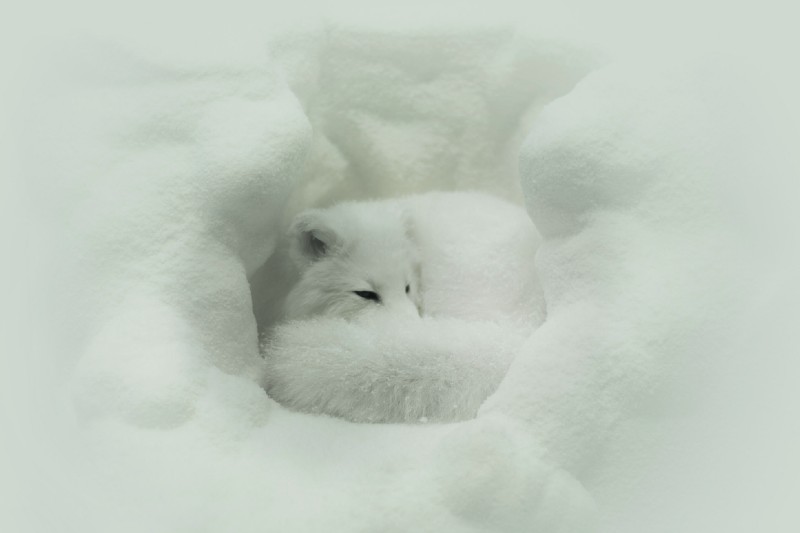
There is something unmistakably captivating about an Arctic fox moving across snow. Light on its feet, alert to every sound, its coat shifting with the seasons from deep brown to near-white. For photographers, Arctic Fox photography is less about chasing a subject and more about learning to anticipate a moment.
Unlike larger Arctic wildlife, foxes rarely announce their presence. They appear quietly along ridgelines, near bird cliffs, or weaving between tundra rocks. Capturing them well requires patience, understanding, and a willingness to adapt to Arctic conditions.
For those planning wildlife expeditions in Svalbard or beyond, here are practical considerations that can help shape more successful Arctic Fox photography.
Understanding Arctic Fox Behaviour Before You Lift the Camera
The most effective Arctic Fox photography begins long before you adjust your settings.
Arctic foxes are opportunistic hunters. In summer, they patrol bird colonies and coastal areas, often moving quickly between cover. In winter, their white coats blend seamlessly with snow and ice, making detection more difficult. They pause frequently to listen, scanning for movement beneath the surface.
Watching behaviour for several minutes before shooting can reveal patterns. A fox may circle back along the same route. It may stop briefly on a ridge before descending. Recognising these rhythms gives you time to prepare composition and focus rather than reacting in haste.
Wildlife organisations such as the World Wildlife Fund continue to document Arctic species behaviour and ecosystem changes, which can also help photographers understand seasonal movement.
Choosing the Right Equipment for Arctic Conditions
Arctic Fox photography demands equipment that performs reliably in cold, shifting weather.
A telephoto lens in the 300–600mm range allows distance without disturbing the animal. Fast autofocus is valuable, particularly when foxes begin trotting or chasing prey. Cold temperatures can reduce battery life quickly, so spare batteries stored close to your body are essential.
Tripods can be helpful during extended waits, but in expedition settings, flexibility often matters more. A stabilised handheld setup allows faster repositioning when a fox suddenly changes direction.
On specialised departures focused on wildlife imagery, such as those featured in dedicated Arctic fox photography experiences, guides often advise on positioning and ethical shooting distances in the field.
Working With Arctic Light
Light in the Arctic is unlike anywhere else.
During the summer months, long golden hours stretch across the landscape. This soft, angled light enhances texture in fur and brings subtle colour to otherwise monochrome scenes. In contrast, overcast skies can create even illumination, useful for preserving detail in white winter coats.
For Arctic Fox photography, avoid exposing purely for snow. Slight exposure compensation helps prevent underexposed subjects against bright backgrounds. Checking histograms regularly is more reliable than relying solely on LCD previews in cold glare.
The key is balance. Snow should retain detail, but the fox’s eyes must remain sharp and expressive.
Composition: Context Over Close-Ups
It can be tempting to crop tightly for dramatic portraits. Yet some of the most compelling Arctic Fox photography includes environmental context.
A fox crossing patterned snow. A silhouette against distant mountains. A small figure beneath towering bird cliffs. These compositions remind viewers that the fox is part of a wider ecosystem.
Allow space in the frame. Use leading lines formed by ridges or coastline. Watch for moments when the fox pauses and lifts its head; those brief seconds often carry the strongest narrative.
It’s important to keep safe and appropriate viewing distances, which naturally encourages wider, more contextual compositions.
Patience and Ethical Positioning
Arctic Fox photography is a study in restraint.
Approaching too closely can alter behaviour. A fox that begins to look repeatedly in your direction, changes its path, or hesitates may already feel pressure. Ethical wildlife photography prioritises the animal’s comfort over the image.
Remaining still often yields better results than moving forward. Foxes may resume natural behaviour once they assess that you are not a threat. Over time, this creates opportunities for more authentic imagery.
Small-group Arctic expeditions, where guest numbers are limited, tend to offer better conditions for patient observation without crowding.
Seasonal Differences in Arctic Fox Photography
Summer and winter bring entirely different visual experiences.
In summer, darker coats contrast against green tundra and coastal cliffs. Activity levels are high as foxes hunt for seabirds and forage along shorelines. Movement can be fast and unpredictable.
In winter, white fur merges with snowfields, and composition becomes more subtle. The challenge shifts from colour contrast to texture and shape. Capturing the outline of a fox in blowing snow can create striking minimalistic imagery.
Planning Arctic Fox photography around seasonal transitions often yields the most varied results.
Preparing for the Unpredictable
No Arctic expedition follows a fixed script. Weather shifts. Wildlife appears unexpectedly. Some days bring long waits with no sightings; others deliver fleeting but remarkable encounters.
For photographers, flexibility matters more than rigid expectations. Keeping your camera accessible, settings pre-adjusted for light, and attention focused on surroundings increases your chances of capturing those brief, unscripted moments.
The Arctic rewards patience rather than urgency.
Planning Your Arctic Fox Photography Expedition
For those looking to focus specifically on Arctic Fox photography, choosing the right expedition structure makes a difference. Smaller groups, experienced wildlife guides, and itineraries designed around seasonal wildlife movement create stronger opportunities for meaningful encounters.
Exploring specialised itineraries and field-based photography guidance can help you prepare before arrival. Arctic foxes remain elusive by nature, but with patience, awareness, and ethical practice, capturing them becomes less about luck and more about understanding.
In the end, Arctic Fox photography is not simply about documenting a species. It is about observing quietly within a landscape where survival shapes every movement.
Related posts
Arctic Fox Photography: Tips for Capturing These Elusive Hunters
There is something unmistakably captivating about an Arctic fox moving across snow. Light on its feet, alert to every sound, its coat shifting with the…
Svalbard Wildlife Tours in 2026: What’s New for Arctic Wildlife Watchers
Svalbard has always been a frontier destination. A place where sea ice shifts without warning, where glaciers carve deep blue edges into the horizon, and…
Arctic Expedition Packing Guide: What to Bring on Your Journey
Proper preparation makes the difference between struggling through Arctic conditions and fully embracing polar wilderness experiences. This Arctic expedition packing guide provides comprehensive advice for…
Best Time for Arctic Travel: A Seasonal Wildlife Guide
Choosing the best time for Arctic travel fundamentally shapes your wilderness experience, determining which wildlife you’ll encounter, what landscapes you’ll photograph, and which natural phenomena…
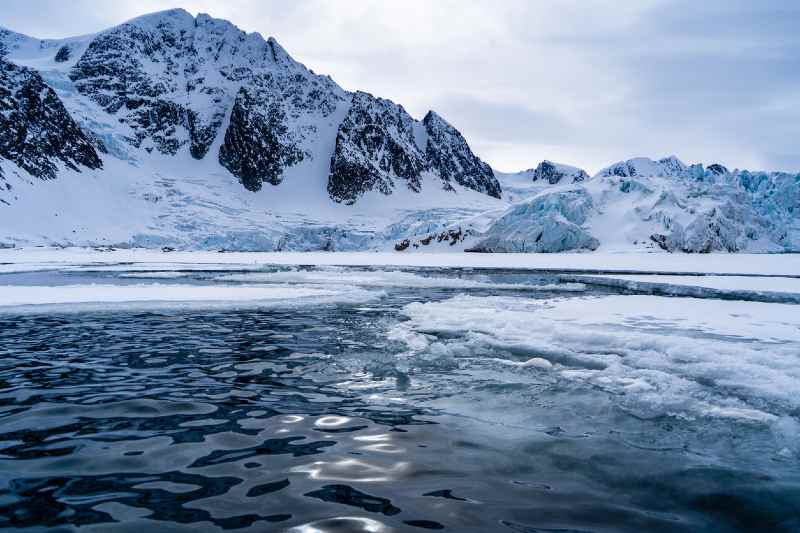
Sustainable Arctic Tourism: How Small Ships Protect What We Love
The Arctic faces unprecedented environmental pressures as tourism to polar regions has increased 500% over the past fifteen years. Sustainable Arctic tourism offers a responsible…
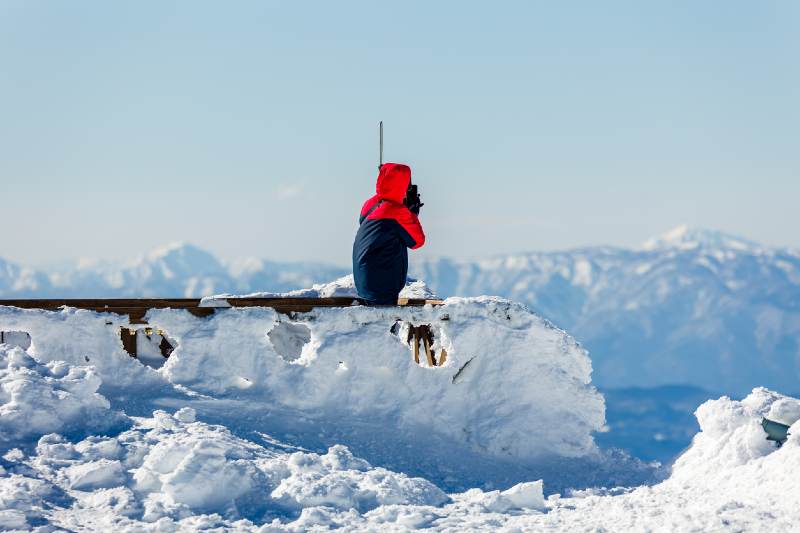
Arctic Photography Expeditions: Capture the Polar Wilderness
The Arctic holds some of Earth’s most extraordinary photography opportunities, from polar bears traversing endless ice sheets to the Aurora Borealis illuminating frozen fjords. Arctic…
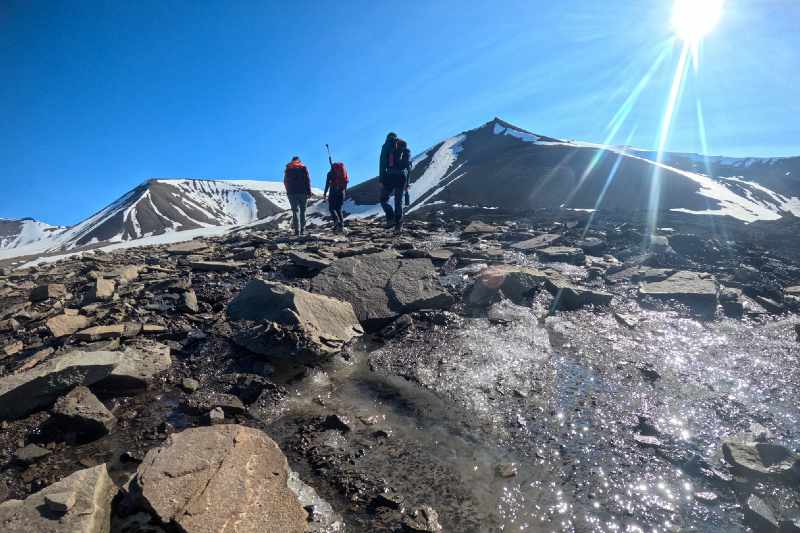
Small-Group Arctic Expeditions: Experience Nature Up Close
Standing on a small ship’s deck watching a polar bear traverse sea ice just meters away, surrounded by only a handful of fellow travelers, creates…
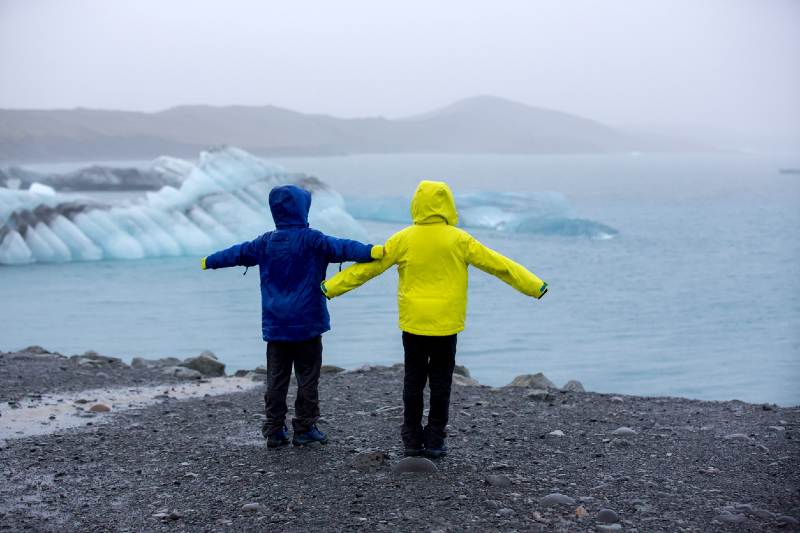
Creating Lasting Bonds: Why an Arctic Trip is the Ultimate Family Adventure (for All Ages)
Planning an arctic trip with your family might seem daunting at first – visions of icy landscapes and extreme cold can make parents hesitate. But…
Wildlife Safety and Respect: Our Approach to Vulnerable Arctic Wildlife Encounters
Wildlife Safety and Respect: Our Approach to Vulnerable Arctic Wildlife Encounters Arctic travelers often take wildlife safety too lightly. Polar bears look majestic and make…
Top Arctic Islands You Can Visit on a Small-Ship Expedition
Top Arctic Islands You Can Visit on a Small-Ship Expedition The Arctic has some of Earth’s most beautiful and wild landscapes and small-ship expeditions offer…

The Photographer’s Arctic Dream: Your Guide to Capturing Nature’s Best Moments
The Photographer’s Arctic Dream: Your Guide to Capturing Nature’s Best Moments Is the photographer’s arctic all it promises to be? The Arctic offers photographers a…
What Makes Svalbard Different from Greenland and Iceland?
What Makes Svalbard Different from Greenland and Iceland? People often group Arctic destinations together. They think Iceland, Greenland, and Svalbard offer similar experiences. The truth…