Svalbard Arctic Wilderness Expedition Photography Summer June 2018
Arctic Wilderness Expedition June 2018
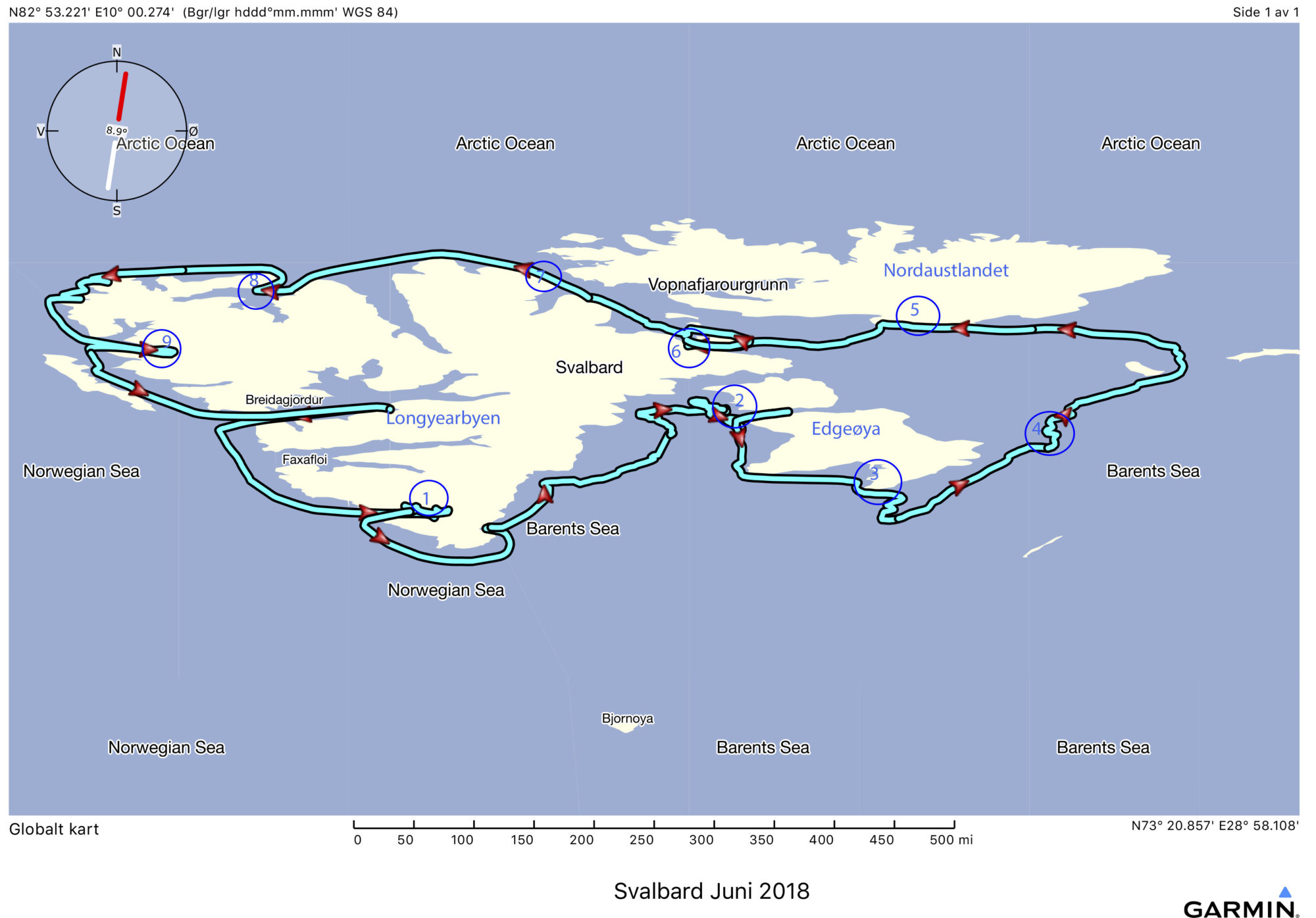
On this Arctic wilderness expedition in June 2018, aboard the MS Freya, we were fortunate once again to explore the remote and beautiful waters of Svalbard. After completing more than forty expeditions in this region, and with careful study of the latest ice charts, we charted a course heading south.
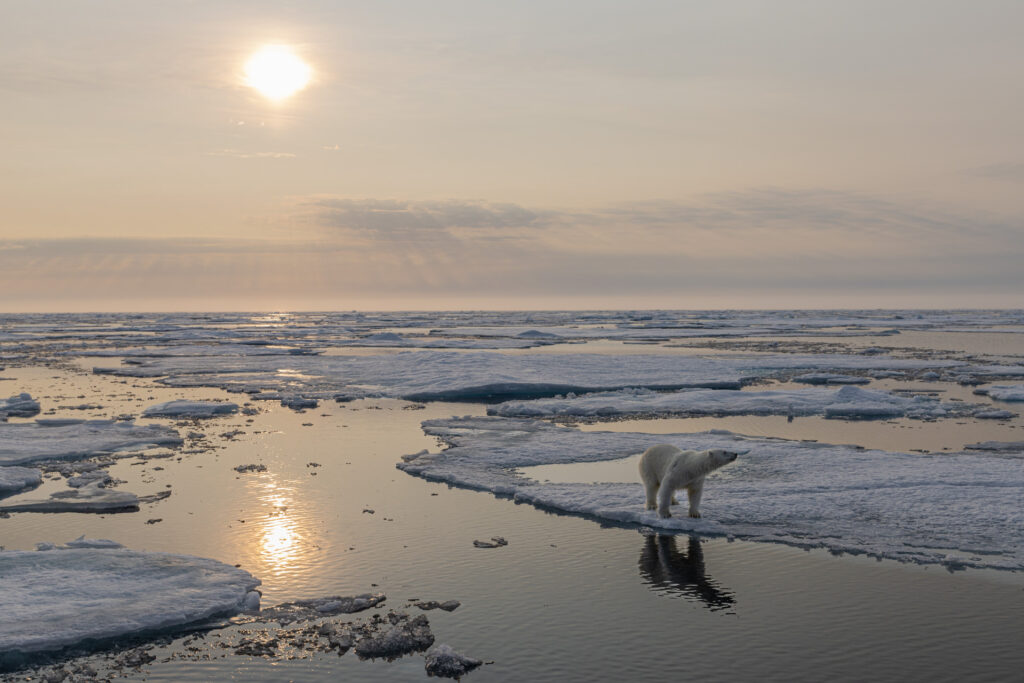
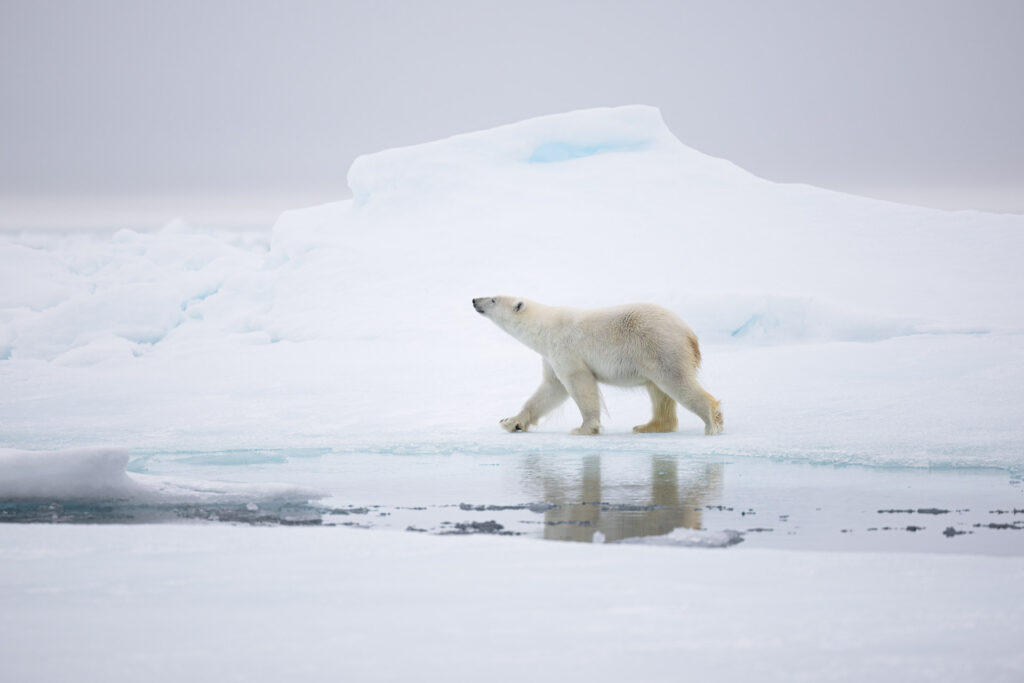
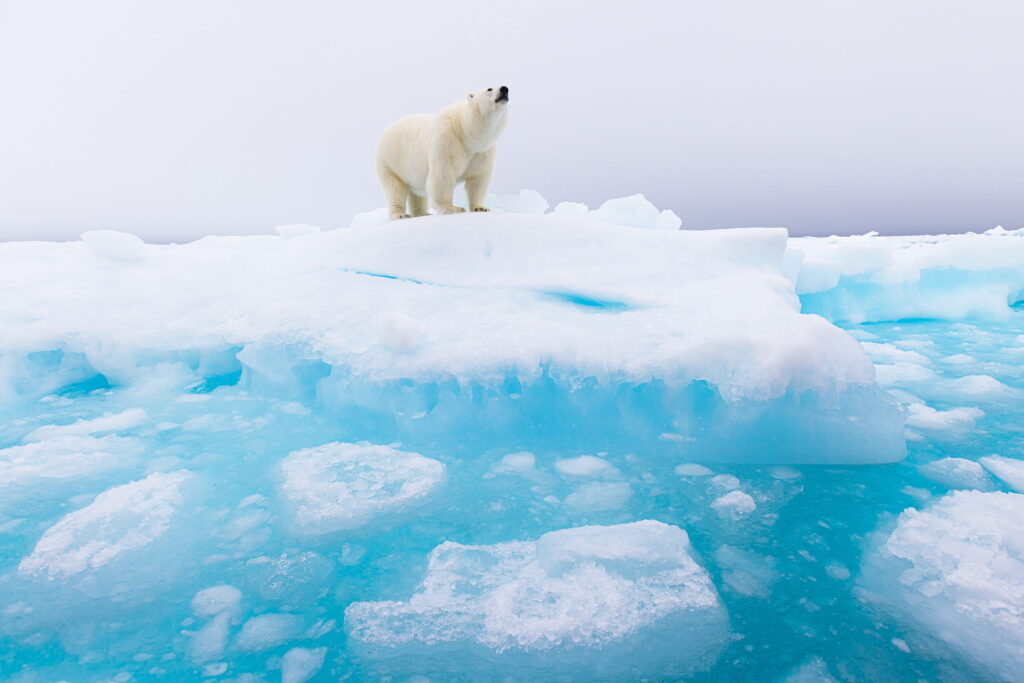
At that time of year, the east side of Spitsbergen and the Hinlopen Strait still held solid ice, while the west coast and northern areas were already beginning to open up. Our decision to venture south proved to be a good one — it offered a perfect balance between accessibility and wildlife encounters. Over the course of the journey, we were rewarded with twelve different polar bear sightings, five of which were close enough for truly memorable photography.
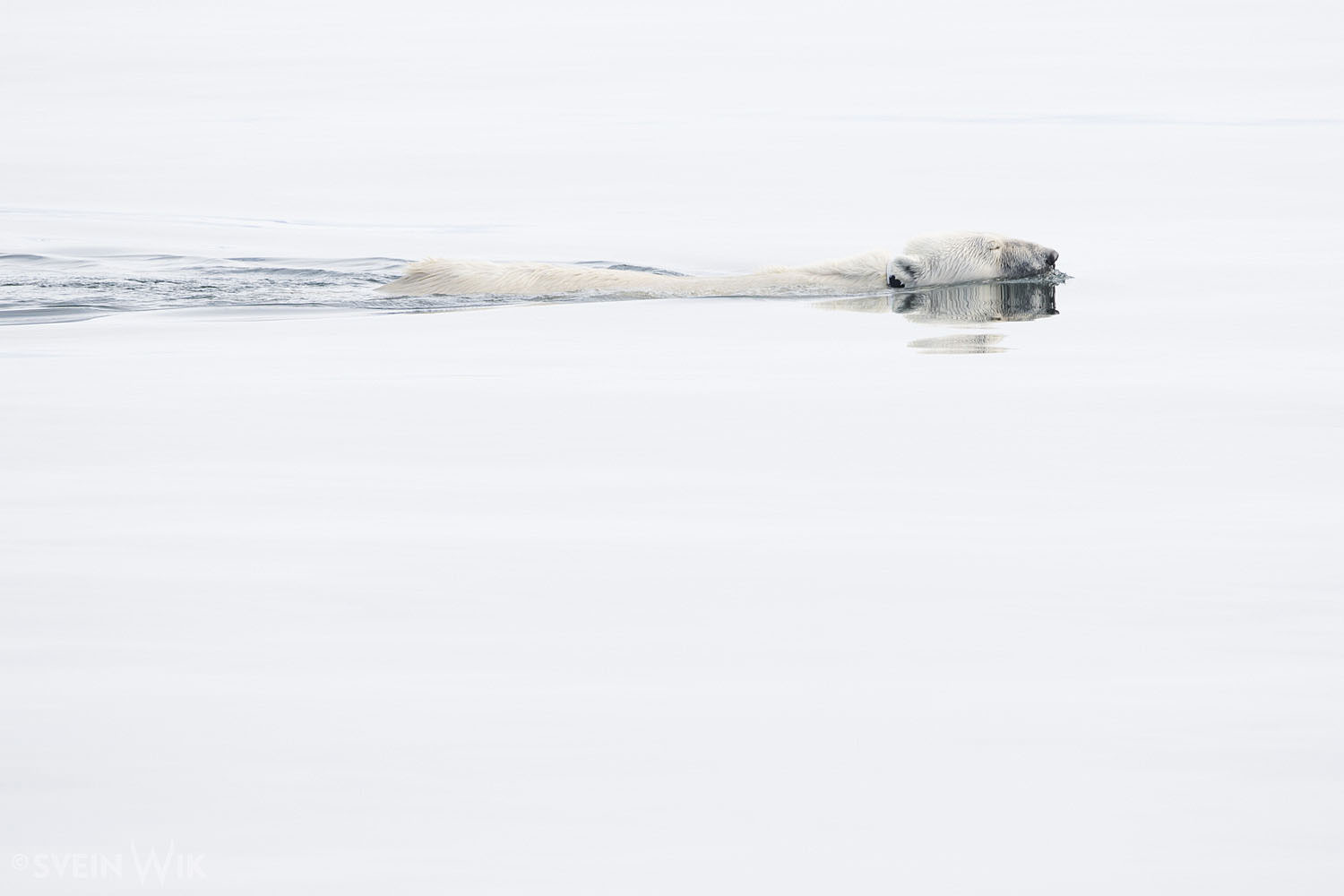
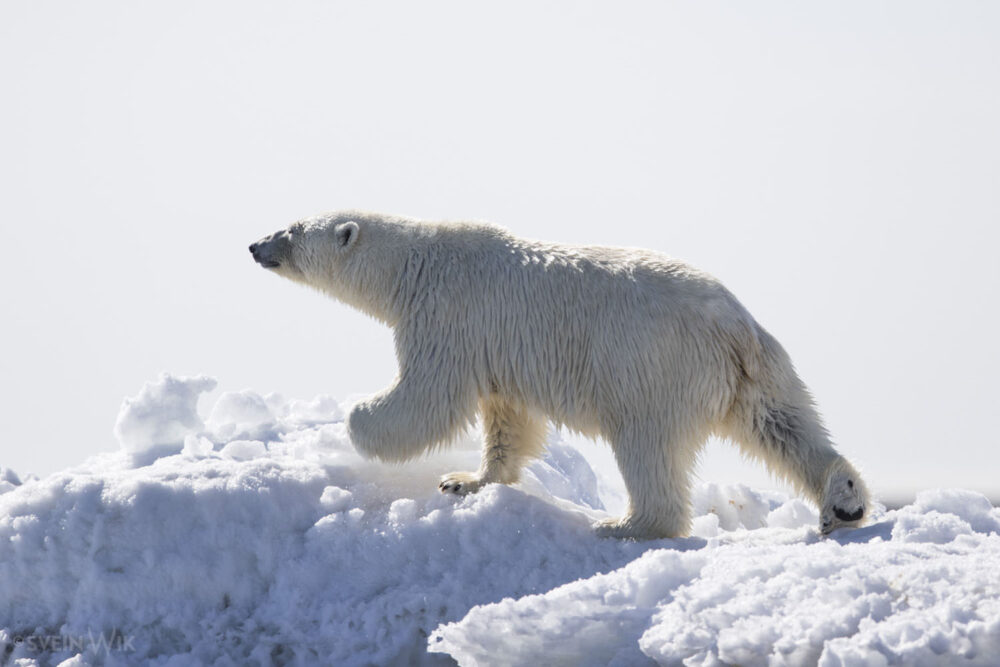
Our first polar bear appeared early in the expedition, in Hornsund. A thin layer of sea ice remained in a small sheltered bay, and there, a female bear rested peacefully on the ice. Later that day, we watched the same bear take to the water, swimming gracefully across the fjord, not far from the ship. We slowed our engines and allowed the vessel to drift silently, giving her space as she passed just a hundred meters from us, heading toward the eastern shore.
There was something familiar about her. We soon realized she was a bear we had previously encountered during our May Arctic wilderness expedition in the same area. Back then, she appeared thin and weary after a long winter. This time, however, she looked noticeably stronger and healthier — a positive sign that she had found food and was thriving as the season progressed.
Moments like these capture the very essence of an Arctic wilderness expedition — unpredictable, intimate, and profoundly humbling. Every encounter tells a story, not only of survival and adaptation in one of the world’s harshest environments, but also of the delicate balance that makes the Arctic so extraordinary.
Stuck in the ice
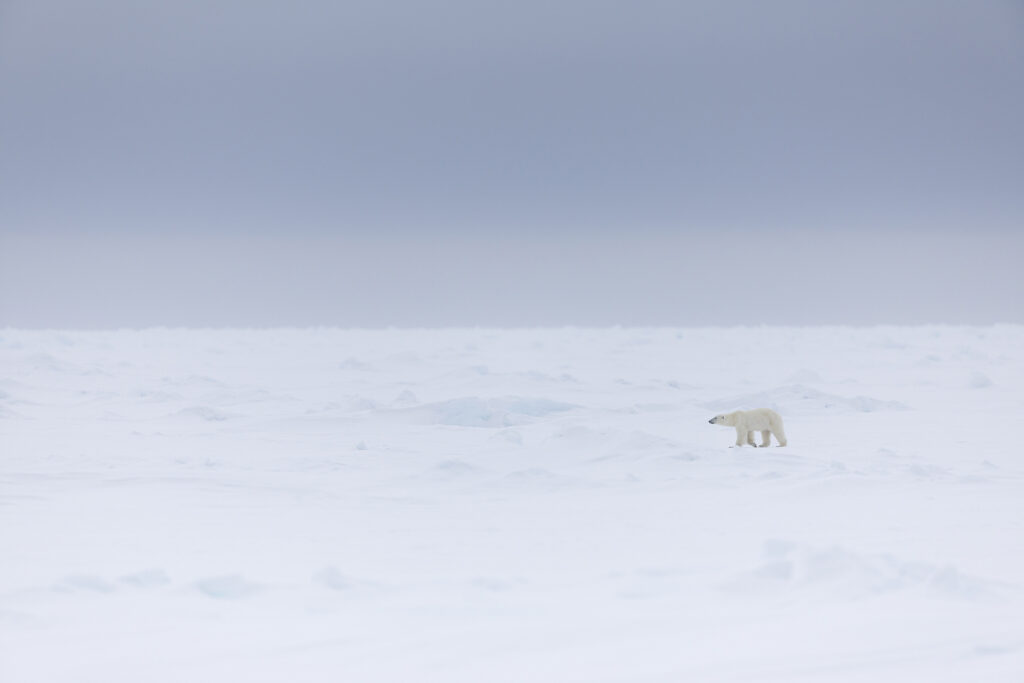
We spent several hours exploring the vast stretches of Storfjorden, where the stillness of the Arctic was broken only by the crack of drifting ice and the distant calls of seabirds. In the shimmering light, we were rewarded with another polar bear sighting, this time far off in the distance — a small, solitary figure moving slowly across the frozen landscape. Moments like this remind us just how immense and untamed this region truly is, and why every Arctic wilderness expedition is so profoundly humbling.
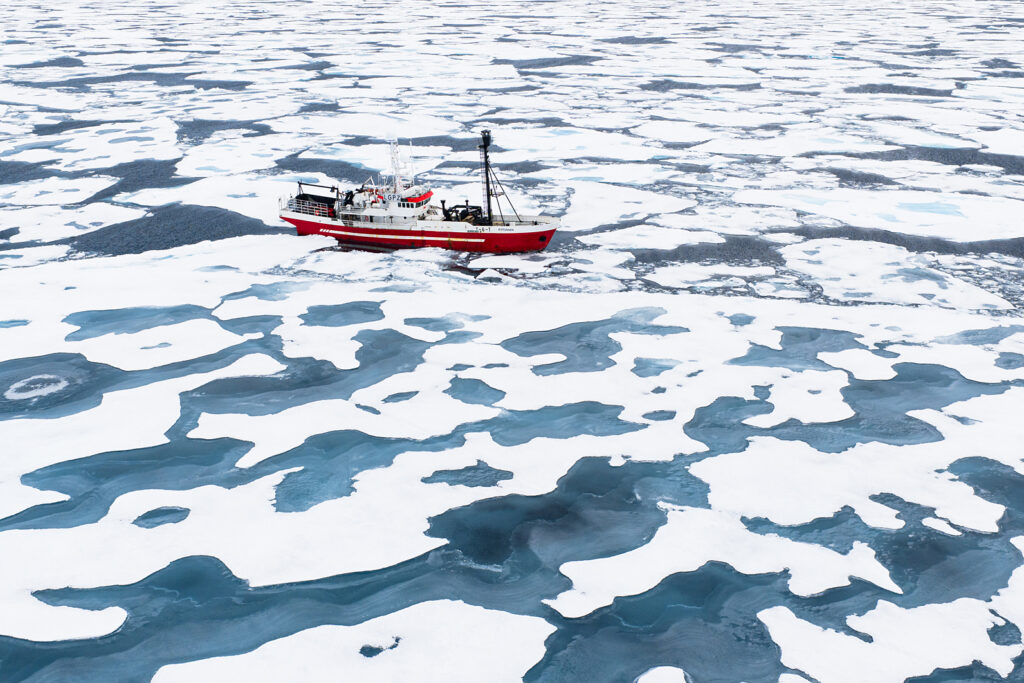
Our original plan had been to sail through Freeman Sound and continue north along the eastern coast of Spitsbergen, an area known for its dramatic scenery and excellent wildlife opportunities. But the Arctic, as always, had other ideas. Strong winds swept through the region, driving the drift ice into thick, impassable layers that completely blocked our route. Despite our efforts to find a passage, it soon became clear that we would not be able to make it through.
We had no choice but to turn back and adjust our plans. Instead, we decided to head south and sail around Edgeøya (Edge Island) — a remote and rarely visited part of Svalbard that often reveals unexpected encounters and landscapes of haunting beauty. This kind of flexibility and respect for nature’s rhythm is what defines a true Arctic wilderness expedition — it’s not only about reaching a destination but embracing the unpredictable journey along the way.
Before we could retreat, though, the Arctic gave us one final test. The shifting ice closed in around the vessel, and for a tense period we found ourselves trapped within the frozen grip of Freeman Sound. It took patience, skill, and teamwork to maneuver free from the ice and find open water again — a powerful reminder of both the fragility and the force of this incredible environment.
At the southern part of the Edge Island
It turned out to be a vice decision to sail around the Edge island and search into the drifting ice on the east side towards north. On our way we also had a great situation with the Walrus colony at "Andretangen" at the southern parts of the Edge island. Our estimate was around 200 Walruses resting at the beaches there. We did a zodiac cruise during the night and a landing there.
Into the drifting ice at the east side we soon found two Polar Bears. They looked like being busy following the ice while it melted towards the north. We stayed in the area and was able to do a zodiac cruise close to one of the islands of "Kong Karls land".
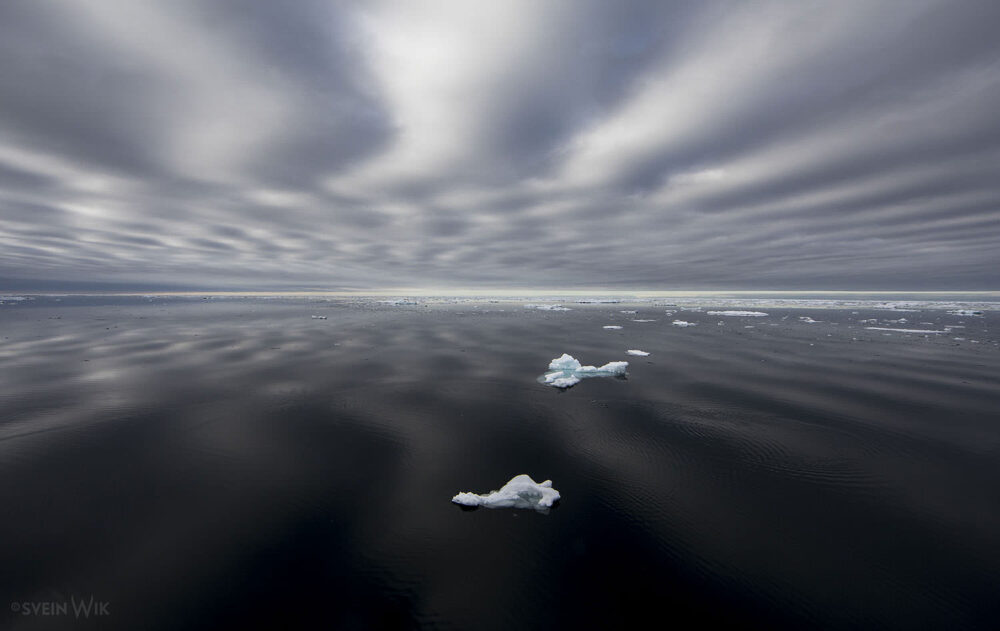
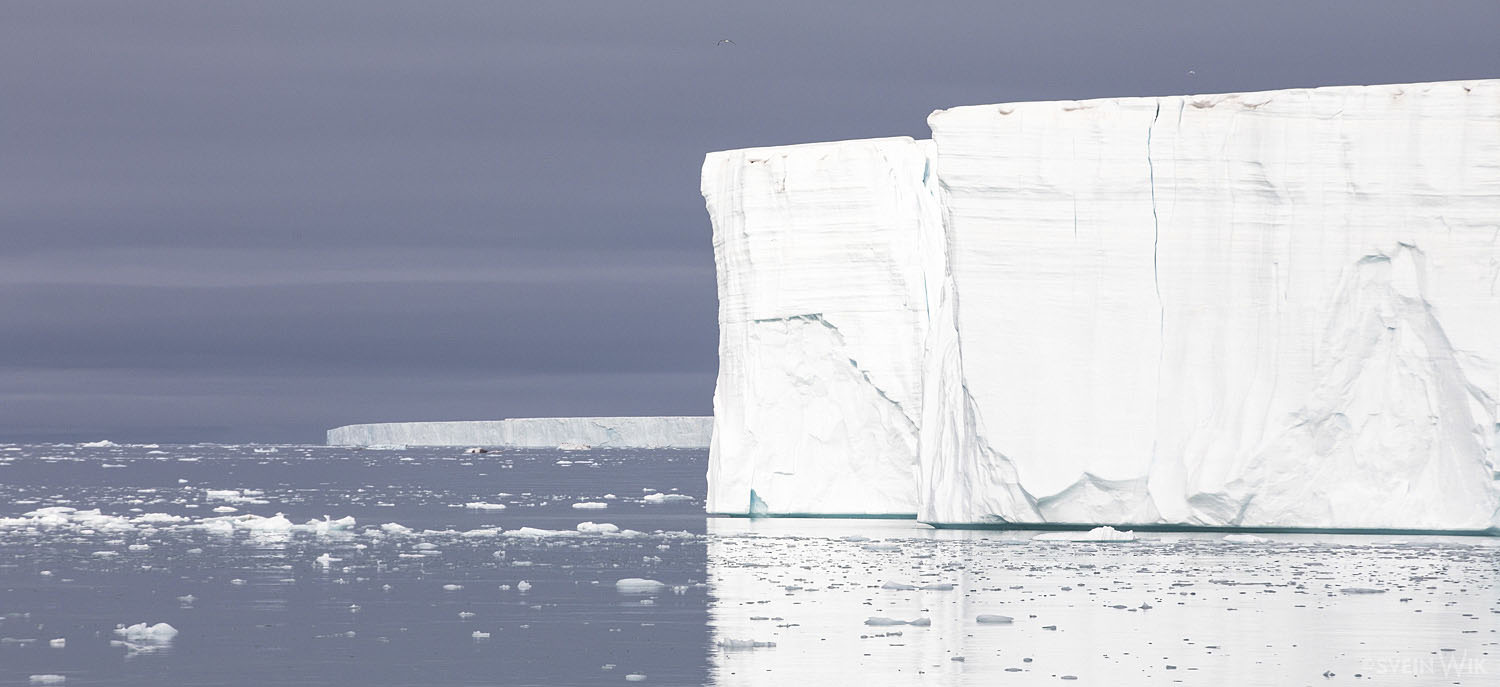
After some sailing in open drift ice areas we reached the Nordauslandet and a glazier, Bråsvellbreen, which is a part of the third biggest glazier in the world, Austfonna. This glazier are covering some parts of the island Nordaustlandet. The glazier front stretches out in the Arctic ocean and all its waterfalls are sometimes a spectacular view. We knew that it would be a little early in the year for seeing these waterfalls in June but seeing the glazier front, which is estimated to be over 200 km long, is an extraordinary sightings as well.
Upcoming Svalbard Tours
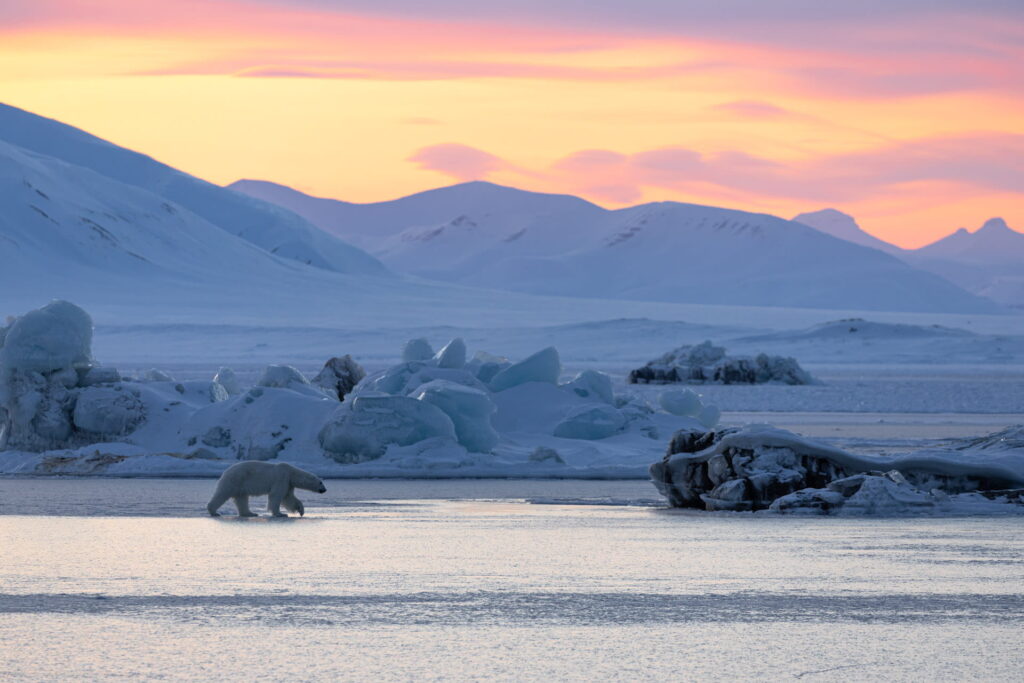
Svalbard winter photography
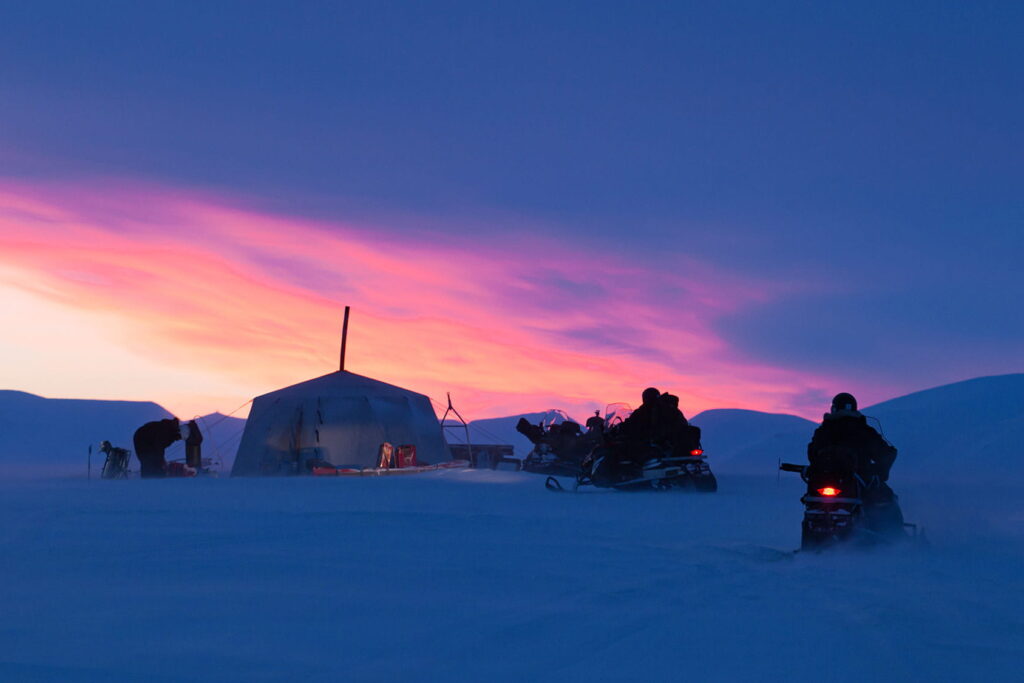
Arctic Winter Photography by Snowmobile
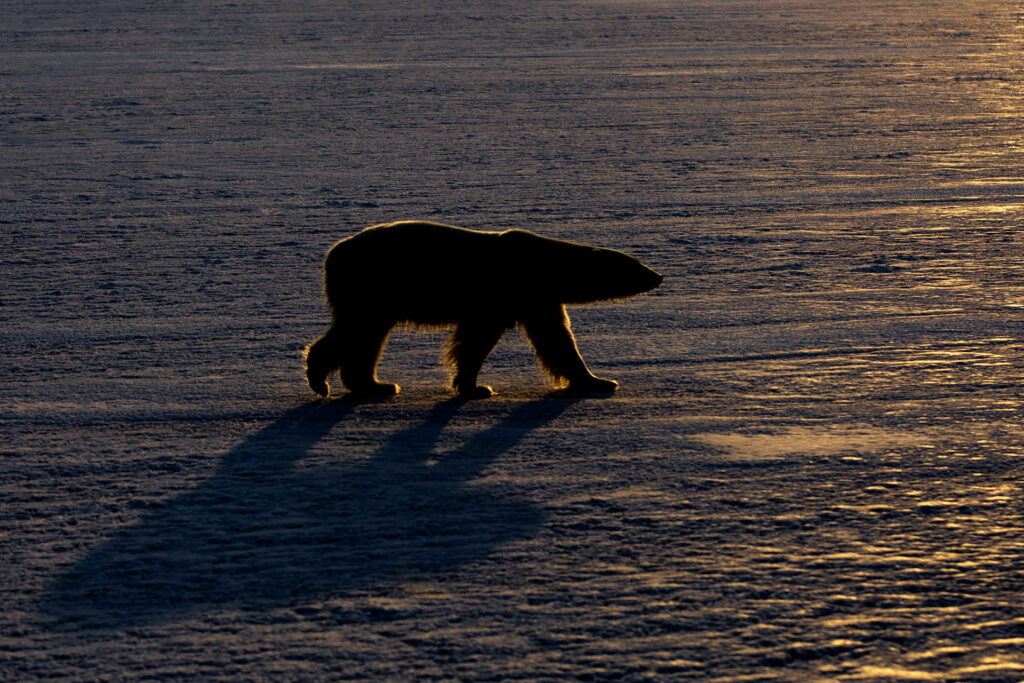
Early Pack Ice photography expedition
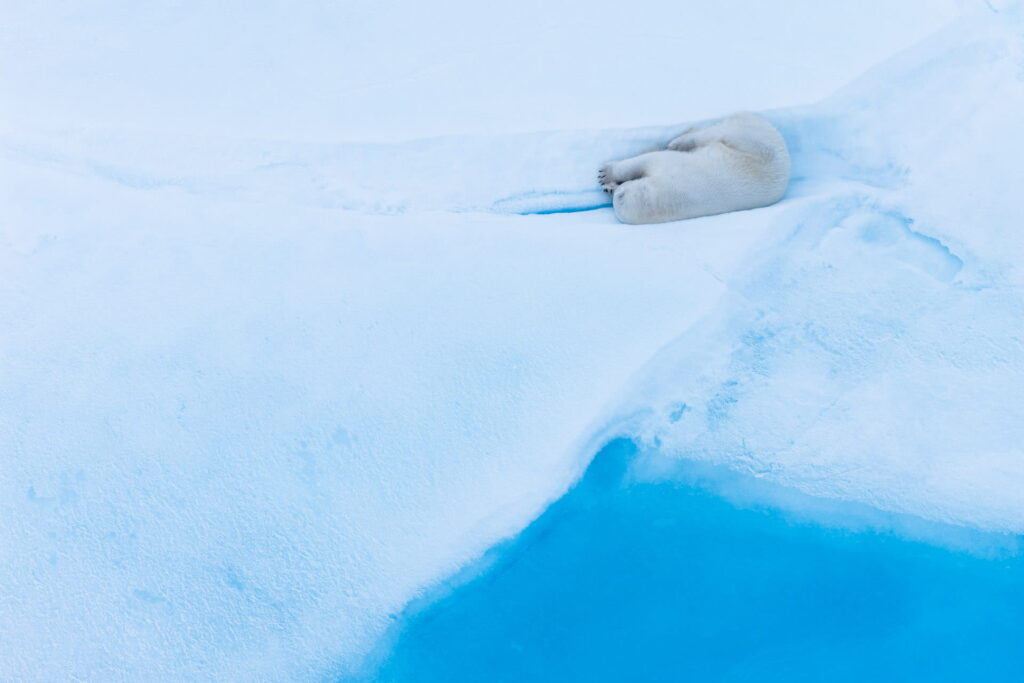
June Pack Ice Expedition
June Pack Ice Expedition#2
Svalbard June-July Pack Ice
Svalbard July Pack Ice
Svalbard July Pack Ice Expedition