Is Arctic Tourism Safe for the Environment? What Travelers Should Know
Arctic tourism brings vital money to remote communities. But it also has the potential to damage fragile environments. The answer to whether it helps or harms isn’t simple. It depends entirely on how Arctic tourism happens and which companies operate in these sensitive regions. The Arctic already faces enormous challenges from climate change. Understanding…
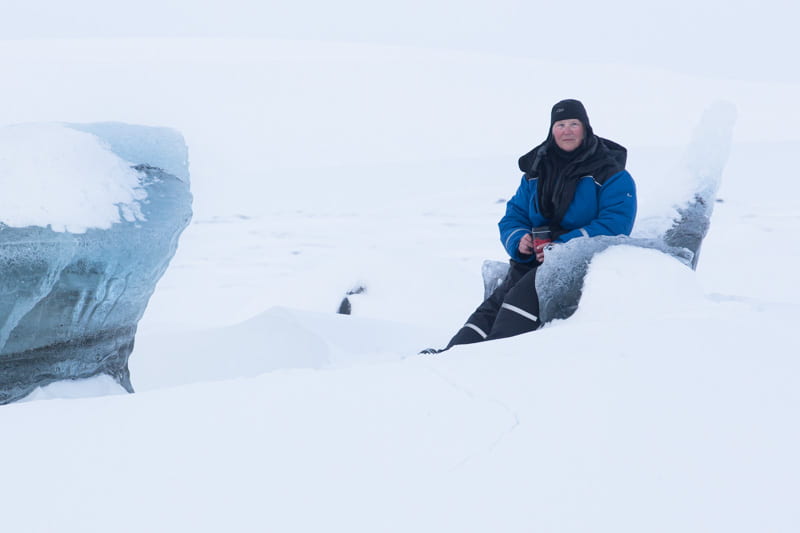
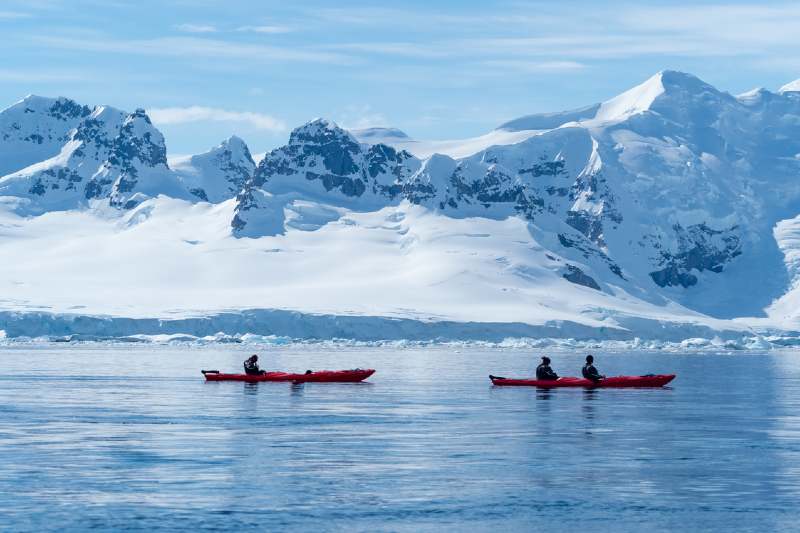
Arctic tourism brings vital money to remote communities. But it also has the potential to damage fragile environments. The answer to whether it helps or harms isn’t simple.
It depends entirely on how Arctic tourism happens and which companies operate in these sensitive regions.
The Arctic already faces enormous challenges from climate change. Understanding how travel affects this frozen world helps visitors make better choices that actually support conservation rather than undermine it.
The Arctic Faces Unprecedented Environmental Pressure
Ice keeps melting faster every year. Summer sea ice reaches record lows with alarming regularity. NASA reports that Arctic sea ice extent has declined by roughly 13% per decade since satellite records began in 1979.
This threatens polar bears, seals, and everything that depends on frozen habitats for survival.
Wildlife faces serious stress from these rapid environmental changes. Polar bears struggle to hunt as ice disappears earlier each spring. Walruses crowd onto beaches instead of resting on stable ice floes. Arctic foxes compete for increasingly scarce food sources as ecosystems shift.
Permafrost – frozen ground that has remained solid for millennia – is thawing across the Arctic. This releases methane and carbon dioxide trapped for thousands of years. The gases accelerate warming in a dangerous feedback loop that makes climate change worse.
Into this vulnerable landscape comes Arctic tourism. The question is whether these visits help or hurt.
How Responsible Arctic Tourism Makes a Real Difference
Small expedition vessels reduce environmental harm dramatically compared to massive cruise ships carrying thousands of passengers. Ships with 12 guests create minimal disturbance to wildlife and coastlines. They burn less fuel, generate less waste, and can access areas without damaging sensitive shorelines.
Expert guides transform Arctic tourism from mere sightseeing into conservation education. Understanding the ecosystem, its challenges, and its importance creates passionate advocates who protect Arctic regions long after they return home. This awareness influences policy discussions, voting decisions, and personal environmental choices.
Responsible Arctic tourism operators maintain strict distances from animals. They never chase wildlife for better photos or interfere with natural behaviours. Feeding, hunting, denning, and resting always take priority over tourist desires.
Supporting local communities through sustainable Arctic tourism offers economic alternatives to environmentally harmful industries. Tourism revenue helps Arctic communities resist pressure for oil drilling, mining, and industrial fishing. This creates powerful financial incentives for environmental protection rather than extraction.
What Truly Responsible Arctic Tourism Operators Do
Group size limits make an enormous difference to environmental impact. Maximum passenger numbers of 10 to 12 on expedition vessels allow flexible scheduling around wildlife movements. Everyone gets excellent viewing opportunities without crowding or competing for position.
Expert naturalists and expedition leaders with decades of Arctic experience understand animal behaviour intimately. They read subtle signs and adjust approaches accordingly. Their extensive knowledge helps visitors notice details they would otherwise miss entirely.
Environmental impact assessments and monitoring guide responsible Arctic tourism operators. They track their footprint carefully and adjust practices based on evidence. Carbon offsetting programmes address unavoidable travel emissions. Many operators invest directly in Arctic research projects and conservation initiatives.
Waste management systems on responsible vessels meet or exceed international standards. Nothing goes overboard. Everything gets properly processed or returned to port for appropriate disposal.
How Travelers Can Choose Responsible Arctic Tourism
Research operators thoroughly before booking Arctic expeditions. Look for clear, specific conservation commitments beyond vague marketing language. Check whether they genuinely limit group sizes and prioritize animal welfare over photo opportunities.
Read previous traveller reviews carefully, focusing on actual practices rather than just scenery and comfort. Did the operator maintain proper wildlife distances? How did they handle unexpected situations?
Ask direct environmental questions before committing. How exactly do they handle waste aboard vessels? What specific distances do they maintain from different wildlife species? How do they support local Arctic communities? Do they contribute to research or conservation projects?
Responsible Arctic tourism operators answer these questions transparently and specifically. Vague responses or defensiveness suggests problems.
Check for memberships in organizations like the Association of Arctic Expedition Cruise Operators (AECO), which sets environmental and safety standards for Arctic tourism. While not foolproof, these affiliations indicate commitment to responsible practices.
The Positive Conservation Impact of Arctic Tourism
Well-managed Arctic expeditions create powerful, lifelong conservation advocates. Seeing a polar bear hunting on pack ice transforms abstract environmental concerns into deeply personal connections. Watching walruses interact with their young makes their survival matter intensely.
Visitors return home caring viscerally about Arctic protection. They share experiences, support conservation organizations, and make different choices. This ripple effect extends far beyond the individual trip.
Arctic tourism revenue helps communities choose conservation over destructive industries. When local people benefit directly from protecting wildlife and landscapes, they become the most effective guardians. This economic incentive counters external pressure for harmful development.
Tourist observations contribute genuinely valuable research data. Expedition leaders report wildlife sightings, behavior patterns, and environmental changes to scientific organizations. This citizen science supplements formal research programs, especially in remote areas where regular monitoring proves difficult.
Photography from responsible Arctic tourism documents environmental changes over time. These visual records help scientists track glacier retreat, ice extent changes, and wildlife population shifts.
Making Your Arctic Tourism Decision
Arctic tourism absolutely can be environmentally responsible when conducted with genuine care and expertise. Small group sizes, expert leadership, strict wildlife protocols, and authentic conservation commitment separate responsible operators from those simply exploiting a profitable market.
Not all Arctic tourism operators meet these essential standards. The difference matters enormously.
The Arctic desperately needs informed advocates who understand its challenges and care deeply about preservation. Responsible Arctic tourism creates exactly these advocates-people who have witnessed the beauty and fragility firsthand and commit to protecting it.
Choose your Arctic expedition carefully. Ask hard questions. Demand transparency. Support operators who genuinely prioritize conservation alongside unforgettable experiences.
The Arctic’s future depends partly on tourism that educates, inspires, and funds protection rather than exploitation. Done right, your journey becomes part of the solution rather than part of the problem.
Discover our commitment to responsible Arctic tourism and join expeditions that genuinely protect the places they explore.
Related posts

Arctic Fox Photography: Tips for Capturing These Elusive Hunters
There is something unmistakably captivating about an Arctic fox moving across snow. Light on its feet, alert to every sound, its coat shifting with the…
Svalbard Wildlife Tours in 2026: What’s New for Arctic Wildlife Watchers
Svalbard has always been a frontier destination. A place where sea ice shifts without warning, where glaciers carve deep blue edges into the horizon, and…
Arctic Expedition Packing Guide: What to Bring on Your Journey
Proper preparation makes the difference between struggling through Arctic conditions and fully embracing polar wilderness experiences. This Arctic expedition packing guide provides comprehensive advice for…
Best Time for Arctic Travel: A Seasonal Wildlife Guide
Choosing the best time for Arctic travel fundamentally shapes your wilderness experience, determining which wildlife you’ll encounter, what landscapes you’ll photograph, and which natural phenomena…
Sustainable Arctic Tourism: How Small Ships Protect What We Love
The Arctic faces unprecedented environmental pressures as tourism to polar regions has increased 500% over the past fifteen years. Sustainable Arctic tourism offers a responsible…
Arctic Photography Expeditions: Capture the Polar Wilderness
The Arctic holds some of Earth’s most extraordinary photography opportunities, from polar bears traversing endless ice sheets to the Aurora Borealis illuminating frozen fjords. Arctic…
Small-Group Arctic Expeditions: Experience Nature Up Close
Standing on a small ship’s deck watching a polar bear traverse sea ice just meters away, surrounded by only a handful of fellow travelers, creates…
Creating Lasting Bonds: Why an Arctic Trip is the Ultimate Family Adventure (for All Ages)
Planning an arctic trip with your family might seem daunting at first – visions of icy landscapes and extreme cold can make parents hesitate. But…
Wildlife Safety and Respect: Our Approach to Vulnerable Arctic Wildlife Encounters
Wildlife Safety and Respect: Our Approach to Vulnerable Arctic Wildlife Encounters Arctic travelers often take wildlife safety too lightly. Polar bears look majestic and make…
Top Arctic Islands You Can Visit on a Small-Ship Expedition
Top Arctic Islands You Can Visit on a Small-Ship Expedition The Arctic has some of Earth’s most beautiful and wild landscapes and small-ship expeditions offer…

The Photographer’s Arctic Dream: Your Guide to Capturing Nature’s Best Moments
The Photographer’s Arctic Dream: Your Guide to Capturing Nature’s Best Moments Is the photographer’s arctic all it promises to be? The Arctic offers photographers a…
What Makes Svalbard Different from Greenland and Iceland?
What Makes Svalbard Different from Greenland and Iceland? People often group Arctic destinations together. They think Iceland, Greenland, and Svalbard offer similar experiences. The truth…