Arctic Expedition Packing Guide: What to Bring on Your Journey
Proper preparation makes the difference between struggling through Arctic conditions and fully embracing polar wilderness experiences. This Arctic expedition packing guide provides comprehensive advice for assembling the clothing, equipment, and accessories that transform challenging environments into comfortable adventures. From layering systems that regulate body temperature across varying activity levels to waterproof gear protecting against zodiac…
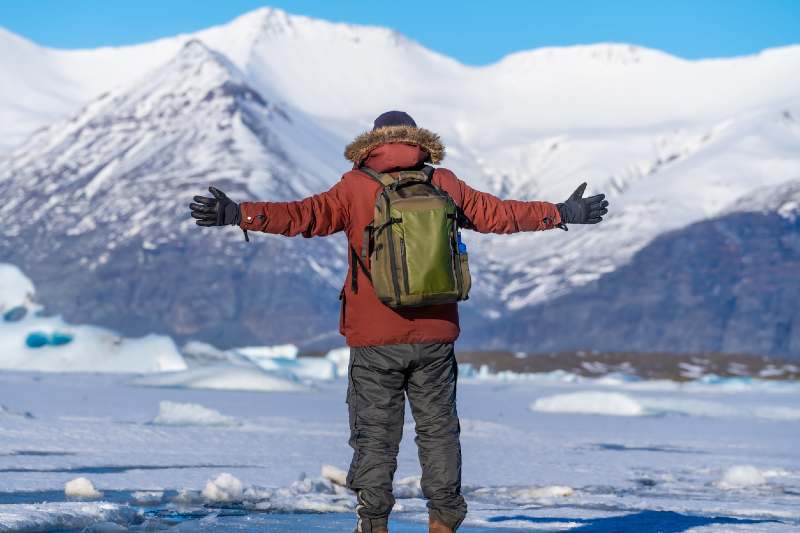
Proper preparation makes the difference between struggling through Arctic conditions and fully embracing polar wilderness experiences. This Arctic expedition packing guide provides comprehensive advice for assembling the clothing, equipment, and accessories that transform challenging environments into comfortable adventures.
From layering systems that regulate body temperature across varying activity levels to waterproof gear protecting against zodiac spray and unexpected weather changes, strategic packing ensures you’re equipped for every Arctic situation. Understanding what to bring (and equally important, what to leave behind) maximizes luggage space while delivering the functionality essential for Arctic expedition success.
Understanding Arctic Weather Variability
Arctic conditions change dramatically within hours. Morning sunshine and calm seas can transform into afternoon snow squalls and wind-driven spray without warning. This unpredictability makes versatile, adaptable gear essential rather than optional.
Temperature ranges vary significantly by season and region. Summer Arctic expeditions experience temperatures from -5°C to 15°C (23°F to 59°F), while spring and autumn bring colder conditions. Even during relatively warm periods, wind chill and water exposure create surprisingly cold conditions requiring proper protection.
Weather variability demands layering systems that adjust quickly to changing conditions. The ability to add or remove layers while on deck or during shore excursions keeps you comfortable whether hiking energetically across tundra or standing still photographing wildlife for extended periods.
The Three-Layer System: Foundation of Arctic Expedition Packing
Base Layer: Moisture Management
Base layers sit directly against skin, wicking perspiration away from your body to prevent dampness that causes rapid heat loss. Choose medium-weight merino wool or high-quality synthetic fabrics designed for cold-weather performance. Merino wool naturally resists odors, allowing extended wear between washing – super valuable on expeditions with limited laundry facilities.
Pack at least three complete base layer sets (tops and bottoms) for week-long expeditions. This allows rotating clean layers while worn items dry. Avoid cotton base layers entirely—they retain moisture and lose all insulating properties when wet, creating dangerous cold exposure situations.
Mid Layer: Insulation and Warmth
Mid layers trap warm air close to your body, providing primary insulation. Fleece jackets, wool sweaters, or lightweight down jackets work excellently for this purpose. Pack at least two mid-layer options with different thicknesses, allowing adjustment based on activity levels and temperature changes.
A lightweight fleece works perfectly for active periods like hiking or zodiac cruising when your body generates heat. A thicker fleece or insulated jacket provides necessary warmth during stationary activities like wildlife observation or photography when you’re not generating body heat through movement.
Outer Layer: Weather Protection
Outer shells block wind and precipitation from reaching inner layers. Quality waterproof-breathable jackets rated at minimum 15,000mm water resistance (20,000mm preferred) provide reliable protection. Look for fully taped seams, adjustable hoods, and pit zips for ventilation during active periods.
Your outer shell becomes your most-used garment during Arctic expeditions. Invest in quality construction that withstands constant wear, salt spray exposure, and the rigors of zodiac transfers and shore excursions. Bright colors (red, orange, yellow) provide safety advantages, making you easily visible in emergencies or whiteout conditions.
Critical Waterproof Gear for Arctic Expeditions
Waterproof Pants: The Most Essential Item
Waterproof pants rank as the single most important clothing item for Arctic expedition packing. Zodiac excursions involve unavoidable spray, and wet pants combined with Arctic wind create miserable conditions that end outdoor activities prematurely. Choose pants with full side zippers allowing easy on/off over boots.
Look for reinforced knees and seat areas that withstand kneeling on ice and sitting on wet zodiac tubes. Adjustable waists and ankle closures keep water out while accommodating layering underneath. Breathable waterproof fabrics prevent internal condensation during active periods.
Waterproof Jacket Features
Beyond basic water resistance, Arctic expedition jackets need specific features. Fully adjustable hoods accommodate hats underneath while providing complete head protection. Storm flaps over zippers prevent water infiltration. Multiple pockets with waterproof zippers secure cameras, phones, and other electronics safely.
Jacket length matters for Arctic conditions. Hip-length jackets provide adequate protection for most activities while allowing freedom of movement. Longer parkas offer additional warmth for stationary observation periods but can feel restrictive during active hiking.
Protecting Extremities: Hands, Feet, and Head
Comprehensive Hand Protection
Cold hands end photography opportunities and reduce expedition enjoyment drastically. Our Arctic expedition packing guide solution involves a three-glove system providing options for every situation.
Thin glove liners made from merino wool or synthetic fabrics provide base protection while maintaining dexterity for camera operation and equipment adjustment. Mid-weight fleece or softshell gloves add warmth for moderate conditions. Waterproof insulated mitts or gloves provide maximum protection during zodiac rides and extremely cold conditions.
Pack multiple pairs of each glove type. Wet gloves lose effectiveness immediately, and having dry backups ensures comfortable hands throughout your expedition. Keep spare gloves in cabin storage, rotating them as needed.
Boot Selection and Sock Strategy
Many Arctic expeditions provide expedition-grade rubber boots (like Muck Boots or similar) for zodiac landings and shore excursions. Verify what your operator provides before purchasing expensive boots you may not need.
For footwear you do need, pack warm wool or synthetic hiking socks in medium and heavyweight options. Bring at least five pairs for week-long trips, allowing daily changes. Merino wool socks dry relatively quickly overnight in heated cabins.
If purchasing boots, choose waterproof options rated for -20°C (-4°F) or colder with excellent traction. Arctic surfaces include wet rocks, ice, and snow so reliable grip prevents dangerous falls.
Head and Neck Protection
A warm hat that covers ears completely is non-negotiable for Arctic expedition packing. Fleece or wool beanies work excellently, providing warmth without excessive bulk. Pack at least two hats in case one gets wet.
Neck gaiters or buffs protect facial skin from wind while staying securely in place during active movement. Unlike traditional scarves, they don’t blow around during photography or wildlife observation. Bring two, allowing one to dry while wearing the other.
Balaclavas provide maximum facial protection for extremely cold or windy days. These versatile items pull down around necks during moderate conditions and up over faces when needed, eliminating the need for separate hats and face protection.
Photography and Electronics Preparation
Battery Management in Cold Conditions
Cold drastically reduces battery performance. Camera batteries, phone batteries, and portable chargers all lose capacity in freezing temperatures. Combat this by keeping spare batteries in inside jacket pockets where body heat maintains their charge.
Store all electronics in sleeping bags overnight. This unconventional Arctic expedition packing strategy keeps batteries warm and ready for morning wildlife opportunities. Bring at least three spare camera batteries and two portable phone chargers for week-long expeditions.
Equipment Protection
Waterproof camera bags or dry bags protect expensive equipment from spray during zodiac transfers. However, you’ll want easy access on deck, so also pack a weather-resistant camera strap or harness allowing hands-free carrying while keeping equipment ready.
Phone lanyards prevent expensive drops into icy water. Attach phones securely before boarding zodiacs or during exciting wildlife encounters when attention focuses entirely on animals rather than equipment security.
Memory cards fail occasionally. Bring double the capacity you anticipate needing. The Arctic provides endless photography opportunities, and running out of storage means missing unrepeatable shots.
Additional Essential Items
- Eye Protection: Sunglasses rated UV400 protect eyes from intense sunlight reflecting off snow and ice. Bring a secure retention strap preventing loss during windy conditions. Polarized lenses reduce water glare, improving wildlife spotting in marine environments. Prescription glasses wearers should bring backup pairs. Losing or damaging glasses without spares creates significant challenges navigating ships and participating in activities safely.
- Sun and Skin Protection: Arctic sun intensity surprises many travelers. Reflection off ice and snow effectively doubles UV exposure. Pack high-SPF sunscreen (50+) and apply generously to all exposed skin, including often-forgotten areas like ears and backs of hands. Lip balm with SPF prevents painful chapping in combined sun and wind exposure. Bring multiple tubes—they’re small, lightweight, and easy to misplace.
- Seasickness Prevention: If prone to motion sickness, pack appropriate medication. Consult your doctor about prescription options like scopolamine patches offering multi-day protection. Over-the-counter options include Dramamine or ginger supplements.
- Binoculars: Quality binoculars (8×42 or 10×42) dramatically enhance wildlife viewing. You’ll spot distant polar bears, identify bird species, and observe behavior details invisible to naked eyes. Waterproof, fog-proof models withstand Arctic conditions reliably.
What Not to Pack
Avoid over-packing by leaving behind items you won’t need. Cotton clothing offers no advantages in the Arctic—it retains moisture, loses insulation when wet, and dries slowly. Leave all cotton items at home.
Formal clothing serves no purpose on Arctic expeditions. Casual, functional clothing works for all occasions including dinners and presentations. Save luggage space for additional warm layers instead.
Heavy guidebooks add unnecessary weight. Most expedition ships provide excellent libraries, and digital versions on tablets or phones offer portable reference materials without bulk.
Luggage Considerations
Soft-sided duffel bags work better than hard-case luggage for Arctic expeditions. They stow more easily in small cabins and compress when partially empty. Choose waterproof or water-resistant materials protecting contents during transfers.
Pack a small daypack (20-30 liters) for shore excursions. This carries cameras, extra layers, water bottles, and snacks comfortably while keeping hands free for hiking and photographing.
Arctic Expedition Packing Guide FAQs
How much luggage space do I really need for an Arctic expedition?
Most Arctic expeditions limit luggage to 15-20kg (33-44 lbs) per person due to small aircraft transfers or limited cabin storage. A 70-90 liter duffel bag provides adequate space for week-long expeditions following this Arctic expedition packing guide. Focus on versatile, multi-use items rather than outfit variety. You’ll wear the same functional clothing repeatedly )this is expedition travel, not a fashion show!). Laundry facilities may be limited, so pack sufficient base layers and socks for daily changes.
Do I need to buy expensive Arctic-specific gear or will regular winter clothing work?
Quality matters significantly for outer layers and footwear. Invest in reliable waterproof-breathable shells and insulated boots that protect you during extended outdoor periods. However, mid and base layers don’t require Arctic-specific branding. Good-quality merino wool or synthetic base layers from outdoor retailers work excellently. Prioritize spending on waterproof pants and jacket, then boots and gloves. These items face the harshest conditions and cheap versions fail quickly, ruining expedition experiences.
What’s the single most commonly forgotten item on Arctic expeditions?
Spare gloves top the list of forgotten Arctic expedition packing items. Travelers bring one pair thinking it’s sufficient, then discover wet gloves from spray or snow make subsequent activities miserable. Pack at least three glove systems (liners, mid-weight, waterproof) with multiple pairs of each. Other commonly forgotten items include sunscreen (sun intensity surprises people), extra camera batteries, and adequate base layer bottoms. Many pack enough tops but insufficient pants.
Ready to Pack Smart for Your Arctic Adventure?
Arctic Wildlife Tours provides detailed packing lists customized for each expedition, ensuring you arrive properly equipped for your specific departure date and destination. Our experienced guides understand exactly what works in real Arctic conditions, helping you avoid both over-packing and missing critical items. We’re happy to answer specific gear questions and provide recommendations for trusted brands that perform reliably in polar environments.
Contact Arctic Wildlife Tours today to receive your personalized Arctic expedition packing guide and start assembling the gear that will keep you comfortable, safe, and focused on incredible wildlife encounters rather than equipment struggles. Your Arctic adventure deserves proper preparation.
Related posts
Arctic Fox Photography: Tips for Capturing These Elusive Hunters
There is something unmistakably captivating about an Arctic fox moving across snow. Light on its feet, alert to every sound, its coat shifting with the…
Svalbard Wildlife Tours in 2026: What’s New for Arctic Wildlife Watchers
Svalbard has always been a frontier destination. A place where sea ice shifts without warning, where glaciers carve deep blue edges into the horizon, and…
Arctic Expedition Packing Guide: What to Bring on Your Journey
Proper preparation makes the difference between struggling through Arctic conditions and fully embracing polar wilderness experiences. This Arctic expedition packing guide provides comprehensive advice for…
Best Time for Arctic Travel: A Seasonal Wildlife Guide
Choosing the best time for Arctic travel fundamentally shapes your wilderness experience, determining which wildlife you’ll encounter, what landscapes you’ll photograph, and which natural phenomena…
Sustainable Arctic Tourism: How Small Ships Protect What We Love
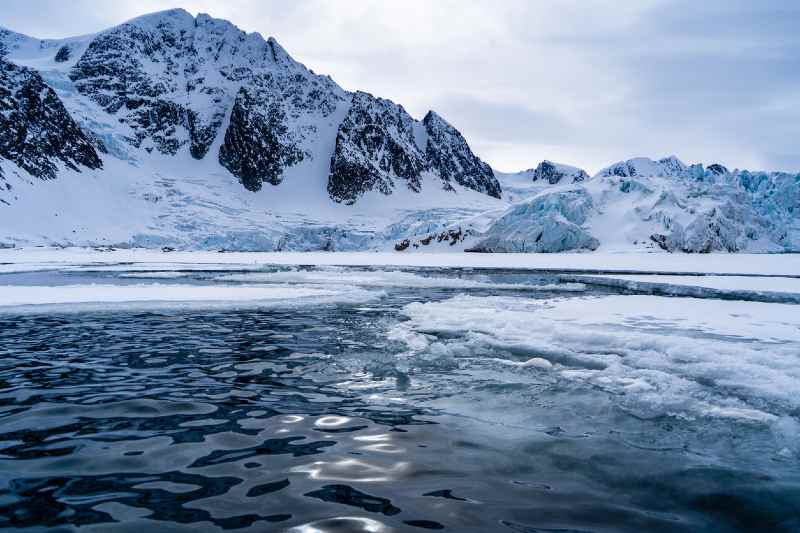
The Arctic faces unprecedented environmental pressures as tourism to polar regions has increased 500% over the past fifteen years. Sustainable Arctic tourism offers a responsible…
Arctic Photography Expeditions: Capture the Polar Wilderness
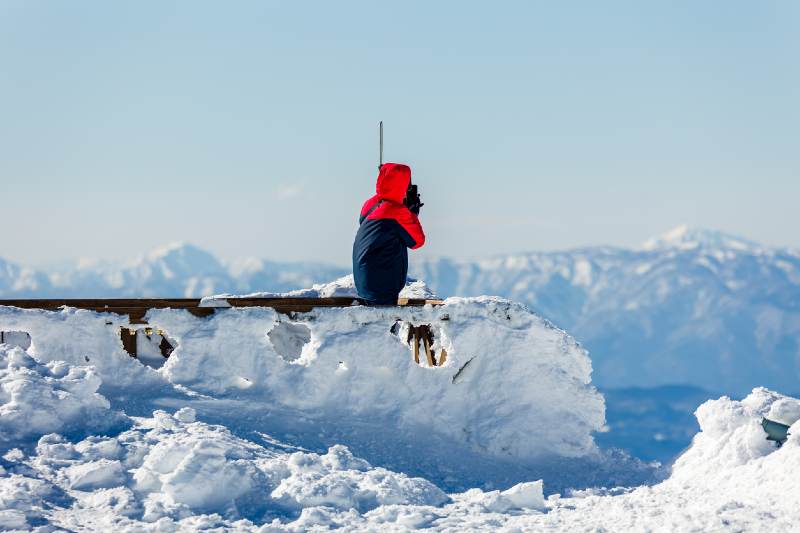
The Arctic holds some of Earth’s most extraordinary photography opportunities, from polar bears traversing endless ice sheets to the Aurora Borealis illuminating frozen fjords. Arctic…
Small-Group Arctic Expeditions: Experience Nature Up Close
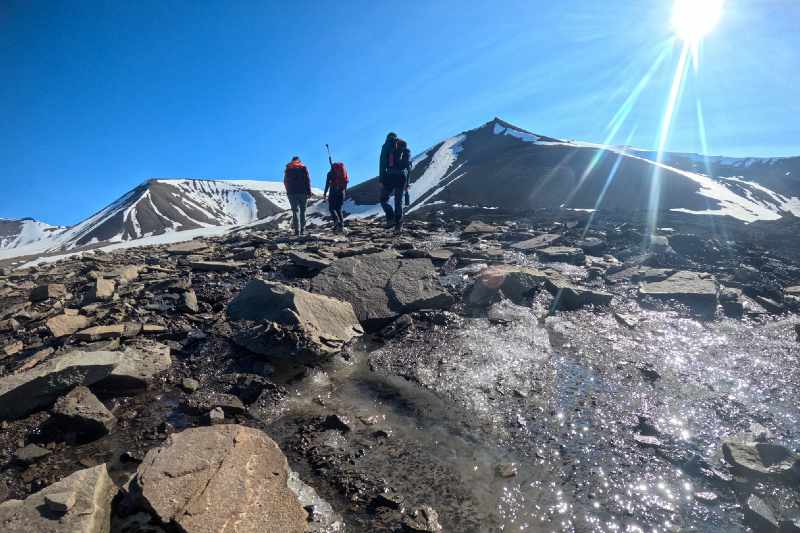
Standing on a small ship’s deck watching a polar bear traverse sea ice just meters away, surrounded by only a handful of fellow travelers, creates…
Creating Lasting Bonds: Why an Arctic Trip is the Ultimate Family Adventure (for All Ages)
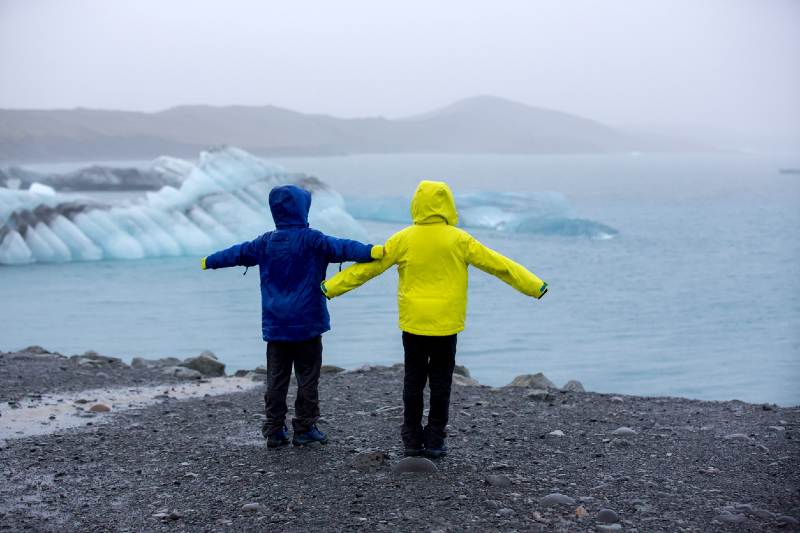
Planning an arctic trip with your family might seem daunting at first – visions of icy landscapes and extreme cold can make parents hesitate. But…
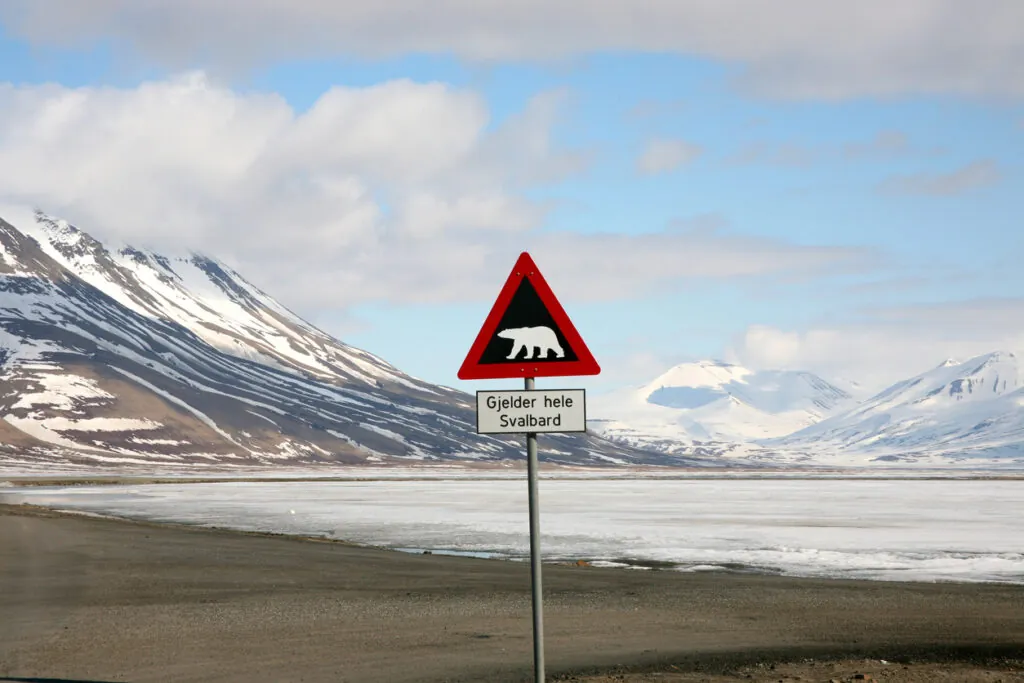
Wildlife Safety and Respect: Our Approach to Vulnerable Arctic Wildlife Encounters
Wildlife Safety and Respect: Our Approach to Vulnerable Arctic Wildlife Encounters Arctic travelers often take wildlife safety too lightly. Polar bears look majestic and make…
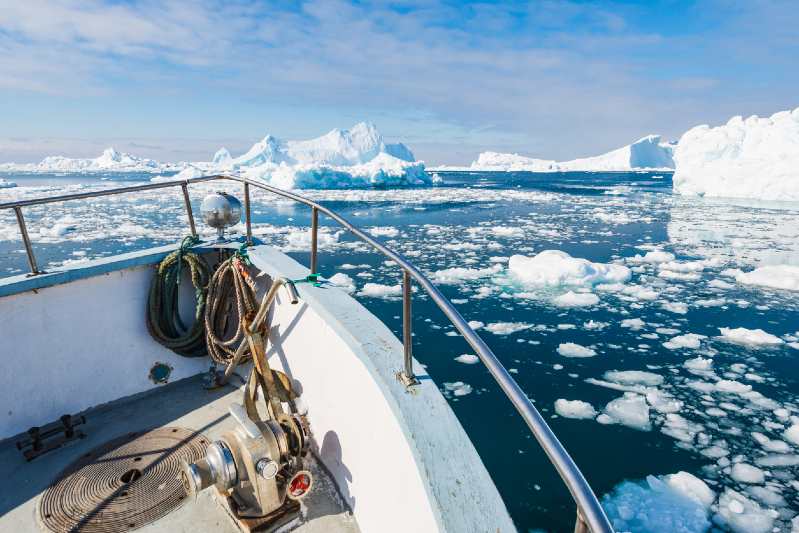
Top Arctic Islands You Can Visit on a Small-Ship Expedition
Top Arctic Islands You Can Visit on a Small-Ship Expedition The Arctic has some of Earth’s most beautiful and wild landscapes and small-ship expeditions offer…

The Photographer’s Arctic Dream: Your Guide to Capturing Nature’s Best Moments
The Photographer’s Arctic Dream: Your Guide to Capturing Nature’s Best Moments Is the photographer’s arctic all it promises to be? The Arctic offers photographers a…
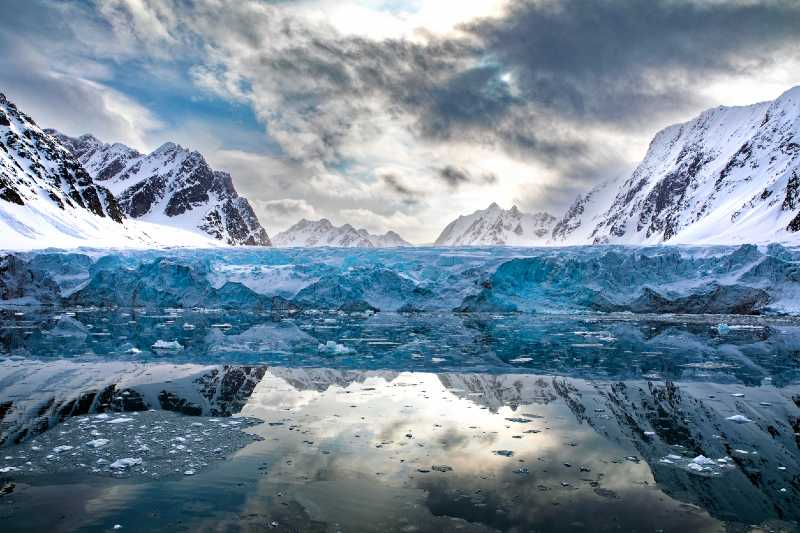
What Makes Svalbard Different from Greenland and Iceland?
What Makes Svalbard Different from Greenland and Iceland? People often group Arctic destinations together. They think Iceland, Greenland, and Svalbard offer similar experiences. The truth…